13
No. of Vendors
18
No. of Products
13
Verified Products
CHECKOUT OUR LATEST ARTICLE

Li Hawkins
Project management & innovationProducts (18)
AI Powered

Front Desk Upsell
by Plusgrade Vendor verified
AI Powered
Automated Upsell
by PlusgradeVendor verified
Retailing
by Aven HospitalityVendor verifiedAI Native

ExpectMe - Upselling Solutions
by ExpectMeVendor verified
Oaky by Plusgrade
by Oaky by PlusgradeVendor verifiedAI Powered

Nor1 CheckIn Merchandising
by Oracle HospitalityVendor verifiedAI Powered
Nor1 eXpress Upgrade for Hotels
by Oracle HospitalityVendor verifiedAI Powered
Nor1 eStandby Upgrade for Hotels
by Oracle HospitalityVendor verified
Roomdex
by RoomdexVendor verifiedUpsell Solutions for hotels
Hotel guests make a reservation and then, in many cases, that is the end of the commercial conversation until checkout. The upgrade they might have welcomed, the early check-in they needed, the spa package they would have enjoyed, and the room service they eventually ordered at full price were all available but never offered at the right moment. Upselling done badly feels like pressure. Upselling done well feels like helpful service.
Hotel Upsell Solutions give hotels the technology to make relevant, timely upgrade and ancillary offers to guests at the moments in their journey when those offers add genuine value and convert at meaningful rates. Modern platforms use guest profile data, reservation characteristics, and real-time inventory information to generate personalized offers across pre-arrival communication, online check-in, and in-stay channels, integrating with property management systems to execute upgrades automatically when accepted.
What are Hotel Upsell Solutions?
Hotel
Upsell Solutions are technology platforms that automate the identification and
delivery of upgrade and ancillary offers to hotel guests at defined points in
their journey. They analyze reservation data, guest profiles, and available
inventory to generate personalized offers for room upgrades, early check-in,
late checkout, packages, and ancillary services, delivering these offers
through pre-arrival email, online check-in flows, and in-stay channels.
Core
functions include:
•
Automated room upgrade offer generation based on inventory
availability and guest profile
•
Pre-arrival upgrade and ancillary offer delivery via email and
SMS
•
Online check-in integrated upsell presentation
•
Offer acceptance processing with automatic PMS folio update
•
Integration with property management systems and hotel booking
engine software
Why do Upsell Solutions matter for hotels?
Upgrades
and ancillary services represent margin-rich revenue that hotels often leave
unrealized because the offer is never made or made ineffectively. A guest who
booked a standard room three months ago may genuinely welcome an upgrade offer
48 hours before arrival when the decision feels relevant and the price feels
fair. Technology that identifies this guest, determines the right offer, and
delivers it at the right time converts this opportunity systematically rather
than relying on front desk interaction.
•
Pre-arrival is the optimal moment for upgrade offers: guests who have
already committed to the stay are receptive to enhancement offers in the days
before arrival when travel excitement is building
•
Personalized offers convert at higher rates than generic
promotions:
upgrade offers based on the guest's reservation characteristics, stay purpose,
and history outperform blanket upgrade promotions
•
Front desk upselling is inconsistent at scale: relying on front desk
teams to identify and make upgrade offers during busy check-in periods produces
variable results that automated pre-arrival programs consistently outperform
•
Ancillary revenue from upgrades carries higher margin: room upgrades and
service packages added to existing reservations carry lower acquisition cost
than the original booking
What problems do Upsell Solutions help solve?
•
Upgrade inventory going unsold at rack rate or not at all: systematic
pre-arrival offers generate upgrade revenue from inventory that would otherwise
be sold at a lower rate or remain vacant
•
Inconsistent front desk upsell performance: automated pre-arrival
programs deliver offers to every eligible guest rather than depending on
individual staff member confidence and opportunity
•
No personalization in upgrade offer targeting: data-driven offer
generation matches upgrade type and price point to guest profile and
reservation characteristics for higher conversion
•
Manual upgrade processing creating PMS update overhead: automatic PMS folio
update on offer acceptance eliminates the manual reservation modification that
front desk-based upgrades require
•
Limited ancillary offer reach beyond check-in: pre-arrival and
in-stay digital channels extend upsell opportunity beyond the brief check-in
window to multiple touchpoints in the guest journey
What capabilities should hotels expect?
•
Automated offer generation based on availability, reservation
data, and guest profile
•
Multi-channel offer delivery across email, SMS, and online
check-in flows
•
Configurable offer types including room upgrades, early
check-in, late checkout, and packages
•
Real-time PMS integration for inventory validation and automatic
upgrade processing
•
Performance reporting including offer conversion rates, revenue
generated, and upgrade mix
How do Upsell Solutions fit into the hotel technology ecosystem?
•
Property management systems: PMS integration provides real-time
inventory availability for offer generation and processes accepted upgrades
automatically
•
Customer relationship management (CRM): guest profile and
history data from CRM informs offer personalization and targeting
•
Hotel booking engine software: upsell offers can
connect with booking engine data for guests who book direct
•
Revenue management system (RMS): upgrade pricing
within upsell platforms should reflect the hotel's broader pricing strategy and
room type value positioning
Which hotel types benefit most?
•
Full-service hotels with upgrade inventory across multiple
room categories: where the variety of room types and service offerings creates
a meaningful upsell portfolio
•
Hotels with significant pre-arrival communication capability: where guest
communication infrastructure enables systematic pre-arrival offer delivery
•
Hotels with revenue management programs: where upgrade pricing
that reflects demand and availability creates the dynamic offer pricing that
maximizes both conversion and revenue
•
Resorts and destination properties: where packages
combining accommodation upgrades with dining, spa, and activities create
high-value ancillary offers
What should hotels evaluate before selecting a platform?
•
PMS integration depth and real-time inventory validation: upgrade offers must
reflect actual available inventory to avoid overselling and guest
disappointment
•
Offer personalization capability: the platform must use
reservation and guest profile data to generate relevant offers rather than
generic promotions
•
Timing and channel configurability: different offer types
perform differently across email, SMS, and check-in channels and at different
pre-arrival windows
•
Pricing strategy and dynamic offer pricing: upgrade offer pricing
should be configurable to reflect availability and demand rather than fixed
discounts
•
Reporting and revenue attribution: conversion rate,
revenue generated, and mix of accepted offers must be measurable for program
optimization
What common mistakes should hotels avoid?
•
Offering upgrades without real-time inventory validation: upgrade offers
accepted by multiple guests for the same room create the operational failures
that undermine confidence in automated upselling
•
Generic offers that ignore guest context: a business traveler
on a one-night stay does not need the same offer as a leisure couple
celebrating an anniversary
•
Pricing upgrades too aggressively: upgrade offers priced
above the perceived value of the enhancement generate low conversion and the
impression of commercial pressure rather than helpful service
•
No revenue attribution process: upsell programs that
cannot demonstrate their revenue contribution cannot justify continued
investment or identify what is working
How have Hotel Upsell Solutions evolved?
Hotel
upselling has evolved from front desk verbal offers and printed upgrade menus
into automated pre-arrival digital programs. Early upsell technology focused
primarily on check-in kiosk upgrade presentation. The development of
pre-arrival email upsell programs from around 2016 shifted the primary upsell
channel from arrival to the days preceding the stay. By 2025, AI-powered
personalized offer generation with dynamic pricing and multi-channel delivery
had become the standard approach in professionally managed hotel upsell
programs.
What trends are shaping Hotel Upsell Solutions?
•
AI-driven offer personalization improving conversion: machine learning
models that match offer type and price point to individual guest
characteristics are significantly improving conversion rates
•
Dynamic upgrade pricing reflecting availability and demand: offers priced based
on real-time room availability and booking pace are outperforming fixed-price
upgrade programs
•
In-stay upsell extending beyond pre-arrival: digital in-stay
offers for dining, spa, and late checkout are extending upsell revenue beyond
the pre-arrival window
•
Total ancillary revenue management integration: upsell platforms are
connecting with revenue management system (RMS) thinking to apply demand-based
pricing principles to ancillary as well as room revenue
What impact can Hotel Upsell Solutions deliver?
•
Incremental upgrade revenue from inventory that systematic
pre-arrival offers convert
•
Consistent ancillary offer reach across all eligible guests
regardless of check-in channel
•
Higher guest satisfaction through relevant offers that feel like
helpful service rather than commercial pressure
•
Reduced front desk operational overhead through automated
upgrade processing
What should hotels prioritize when comparing providers?
Hotels
evaluating Upsell Solutions should prioritize PMS integration for real-time
inventory validation, offer personalization capability, pricing
configurability, and revenue attribution reporting.
•
PMS integration and real-time inventory validation: upgrade offers must
reflect actual available inventory for operational reliability
•
Offer personalization using guest and reservation data: relevant offers
convert at higher rates than generic promotions
•
Pricing configurability: dynamic upgrade pricing that reflects
availability and demand maximizes both conversion and revenue
• Revenue attribution reporting: upsell program value must be measurable for investment justification and optimization
News (5)

Turn December Demand Into Profit: 5 Smart Moves for MEA Hotels
Plusgrade acquires Oaky, strengthening its position as a global leader in hospitality upselling

Plusgrade Unveils Major New Product Collection to Accelerate Growth and Unlock More Value Across the Traveler Journey

Plusgrade Unveils Major New Product Collection to Accelerate Growth and Unlock More Value Across the Traveler Journey

Turn guest data into revenue - automatically
Blogs (5)
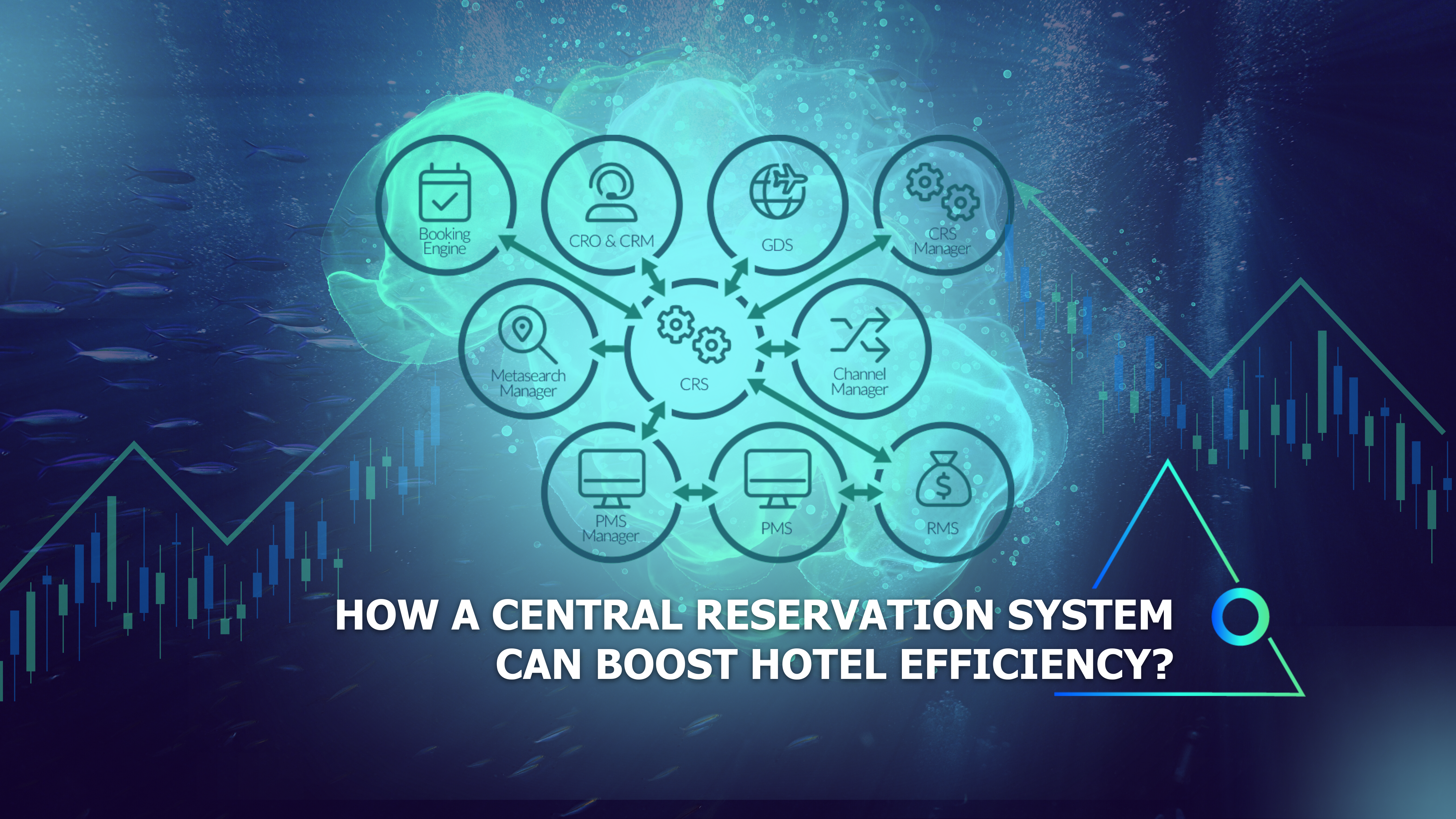
Boost Hotel Efficiency with a Central Reservation System (CRS)

Disruptive Trends & the Future of Hospitality

The Impact of Hotel CRM on Customer Loyalty
Choosing a Revenue Management System for Your Hotel
7 Ways Hospitality Technology Enhances Hotel Operations & Profitability