126
No. of Vendors
135
No. of Products
34
Verified Products
CHECKOUT OUR LATEST ARTICLE

Products (135)

RMS Cloud
by RMS
Vendor verified
WINHMS PMS
by Romeo Bravo Software
Vendor verified
Wincloud Property management solution
by Romeo Bravo Software
Vendor verified
Daylight PMS
by Shiji
Vendor verified
Stayntouch Hotel PMS
by Stayntouch
Vendor verified
Versa PMS
by Agilysys
Vendor verifiedAI Native

bookingMaster hotel management software
by BookingMaster
Vendor verified
Eptera PMS
by EPTERA
Vendor verified-(1).jpg)
Hotelogix Multi-Property Management System
by Hotelogix
Vendor verifiedProperty Management System (PMS) for Hotels
What is a Property Management System (PMS)?
A Property Management System (PMS) is a hospitality technology platform designed to manage and coordinate the daily operations of hotels, resorts, serviced apartments, hostels, and other accommodation providers.
The PMS centralizes operational functions such as:
reservations
check-in and check-out
room management
guest profiles
billing and folio management
housekeeping coordination
operational reporting
Modern PMS platforms now extend well beyond traditional front desk functionality. Many support cloud-based operations, mobile accessibility, multi-property management, automation, guest engagement workflows, and enterprise-level oversight.
Purpose
The primary purpose of a PMS is to simplify and coordinate hotel operations while improving visibility, efficiency, and guest service delivery.
A PMS helps hospitality teams:
manage reservations and inventory in real time
reduce manual workflows
improve coordination between departments
centralize guest information
streamline billing and financial processes
support operational consistency across properties
enable more informed decision-making
create a connected technology ecosystem
Today, the PMS increasingly serves as the operational hub connecting commercial systems, guest-facing technologies, and internal workflows across the wider hotel tech stack.
Key features
Reservation and booking management
Manages direct bookings, OTA reservations, group bookings, and room availability across multiple channels.
Front office operations
Supports check-in, check-out, room assignment, guest status management, and day-to-day operational workflows.
Guest profile management
Centralizes guest preferences, stay history, loyalty information, and communication data to support personalization.
Room inventory and housekeeping coordination
Provides real-time visibility into occupancy, room availability, and housekeeping status.
Billing and folio management
Automates invoicing, payment posting, folio management, and financial reconciliation.
Multi-property and enterprise management
Supports centralized oversight across multiple hotels, brands, and operational environments.
Reporting and analytics
Provides operational, financial, occupancy, and performance reporting to support planning and forecasting.
Mobile and cloud accessibility
Enables staff and management teams to access workflows and operational data remotely and across devices.
API and integration capabilities
Connects the PMS with the broader hospitality technology ecosystem through integrations and open APIs.
How PMS platforms operate within the hotel tech stack
A PMS centralizes operational data across the hotel environment and continuously exchanges information with connected systems.
When a reservation is created, the PMS updates room availability, stores guest details, coordinates workflows, and synchronizes information with systems such as channel managers, payment gateways, CRM platforms, revenue management systems, and housekeeping tools.
As guests move through the guest journey, the PMS supports operational coordination across departments:
reservations update inventory availability
check-in status triggers housekeeping workflows
guest profiles support personalization
folio activity syncs with financial systems
operational data feeds reporting and business intelligence platforms
In modern hospitality environments, the PMS functions as part of a connected technology ecosystem rather than a standalone operational tool.
Benefits
Improved efficiency
Automation reduces repetitive tasks, minimizes manual errors, and improves staff productivity.
Better guest experiences
Centralized guest data enables faster service, personalization, and smoother guest journeys.
Real-time operational visibility
Hotels gain greater visibility into occupancy, housekeeping, financial activity, and property performance.
Stronger commercial performance
Integrated operational data supports forecasting, pricing strategies, upselling opportunities, and revenue optimization.
Scalability
Modern PMS platforms can support independent hotels, multi-property groups, and enterprise hospitality operations.
Centralized technology management
The PMS helps unify workflows while supporting broader technology governance strategies.
Faster decision-making
Access to connected operational and commercial data supports more informed management decisions.
Best fit for
Property Management Systems are used across nearly every accommodation segment, including:
hotels
resorts
boutique hotels
serviced apartments
vacation rentals
hostels
branded hotel groups
multi-property operators
Different PMS platforms are designed for different operational models and levels of business complexity.
For example:
boutique hotels may prioritize simplicity and guest personalization
enterprise hotel groups may require centralized governance, multi-property visibility, and advanced integrations
resorts may require more extensive coordination across outlets, amenities, and operational departments
Selecting the right PMS depends heavily on operational structure, integration requirements, growth plans, and long-term technology strategy.
PMS integrations and connected systems
The PMS is one of the most interconnected systems within the hospitality technology environment.
Common integrations include:
Channel managers and CRS
Synchronize rates, availability, and reservations across distribution channels.
Revenue Management Systems (RMS)
Support pricing optimization and forecasting based on occupancy and demand data.
Customer Relationship Management (CRM) platforms
Enable guest segmentation, loyalty management, personalization, and marketing workflows.
Payment gateways and POS systems
Connect financial transactions, dining, retail activity, and guest folios.
Guest messaging and engagement platforms
Support automated communication throughout the guest journey.
Housekeeping and maintenance systems
Improve coordination around room readiness and operational workflows.
Business Intelligence (BI) platforms
Enable advanced reporting, forecasting, and performance visibility.
Door lock and smart room systems
Support digital keys, mobile access, and connected guest experiences.
The quality and flexibility of these integrations now play a major role in PMS evaluation.
Key considerations when evaluating a PMS
Integration depth and API quality
Hotels should evaluate whether integrations are real-time, bi-directional, and operationally proven across the wider technology ecosystem.
Cloud architecture and scalability
Cloud-native platforms generally offer greater flexibility, remote access, scalability, and faster innovation cycles.
Operational fit
The PMS should align with the operational complexity of the property or group, not just feature lists.
User experience and adoption
Front office and operational teams rely on the PMS daily, making usability critical for productivity and adoption.
Multi-property and governance capabilities
Hotel groups should evaluate centralized controls, reporting visibility, approval workflows, and brand-level governance tools.
Reporting and data accessibility
Access to structured operational and commercial data is increasingly important for decision-making and long-term strategy.
Vendor roadmap and innovation
Hotels should assess how vendors are evolving around AI, automation, mobile workflows, and ecosystem connectivity.
Implementation and support
Migration support, onboarding, training, and long-term responsiveness can significantly impact project success.
Common challenges and pitfalls
Underestimating migration complexity
PMS migrations often involve operational disruption, retraining, historical data challenges, and integration dependencies.
Focusing only on features
Hotels sometimes prioritize feature checklists instead of evaluating operational fit, integration maturity, and long-term scalability.
Weak integration ecosystems
Limited integrations can create operational silos and reduce flexibility across the technology stack.
Hidden implementation costs
Customization, onboarding, integrations, training, and support costs are often underestimated during evaluation.
Overcomplicated systems
Some platforms may offer functionality that exceeds the operational needs of smaller properties.
Lack of stakeholder alignment
IT, operations, finance, revenue, and ownership teams often evaluate PMS decisions from different perspectives, creating delays or internal friction.
Vendor lock-in concerns
Hotels should assess contract flexibility, data portability, and long-term adaptability before implementation.
What’s changed and trends to watch
The PMS category has evolved rapidly over the last few years.
Cloud-first PMS adoption
The industry continues shifting away from legacy on-premise systems toward cloud-native operational platforms.
Composable hospitality technology stacks
Hotels increasingly prefer modular ecosystems where the PMS connects with specialized solutions through APIs rather than operating as an all-in-one system.
AI-driven workflows
AI is beginning to influence forecasting, guest communication, workflow automation, and operational recommendations.
Greater focus on integrations
Hotels now evaluate PMS platforms not only on functionality, but on how effectively they connect across the wider technology environment.
Mobile-first hotel operations
Operational mobility is becoming increasingly important for front office, housekeeping, maintenance, and management teams.
Unified guest data strategies
The PMS is becoming more closely connected to CRM, CDP, personalization, and guest engagement initiatives.
Enterprise governance and visibility
Hotel groups are placing greater emphasis on centralized oversight, technology governance, standardization, and portfolio-wide visibility.
Commercial convergence
The boundaries between PMS, RMS, CRM, upselling, guest engagement, and commerce platforms are becoming increasingly interconnected.
Final decision guidance
A Property Management System is no longer just a hotel operations tool. It is a foundational technology decision that impacts operational efficiency, guest experience, integration flexibility, commercial performance, and long-term technology strategy.
Hotels evaluating PMS platforms should look beyond feature comparisons alone and assess:
operational fit
ecosystem connectivity
scalability
governance capabilities
vendor innovation
data accessibility
long-term adaptability
As hospitality technology environments become more connected and intelligence-driven, the PMS increasingly serves as the operational foundation supporting discovery, evaluation, coordination, and decision-making across the wider hotel technology ecosystem.
ExploreTECH helps hospitality teams evaluate PMS solutions through a more structured and informed approach to discovery, comparison, and technology decision-making before any transaction takes place.
operational fit
ecosystem connectivity
scalability
governance capabilities
vendor innovation
data accessibility
long-term adaptability
News (5)
.png)
RBS acquires Zeko to accelerate AI innovation across hospitality

Grand Continent Hotels Ltd. upgrades to Hotelogix cloud to centralise group operations

Mews is named official PMS of AAHOA: a partnership built for modern hotel ownership
.png)
From PMS to operating system: Mews OS and the next era of hospitality tech

When innovation becomes friction: rethinking hotel technology decisions
Blogs (5)

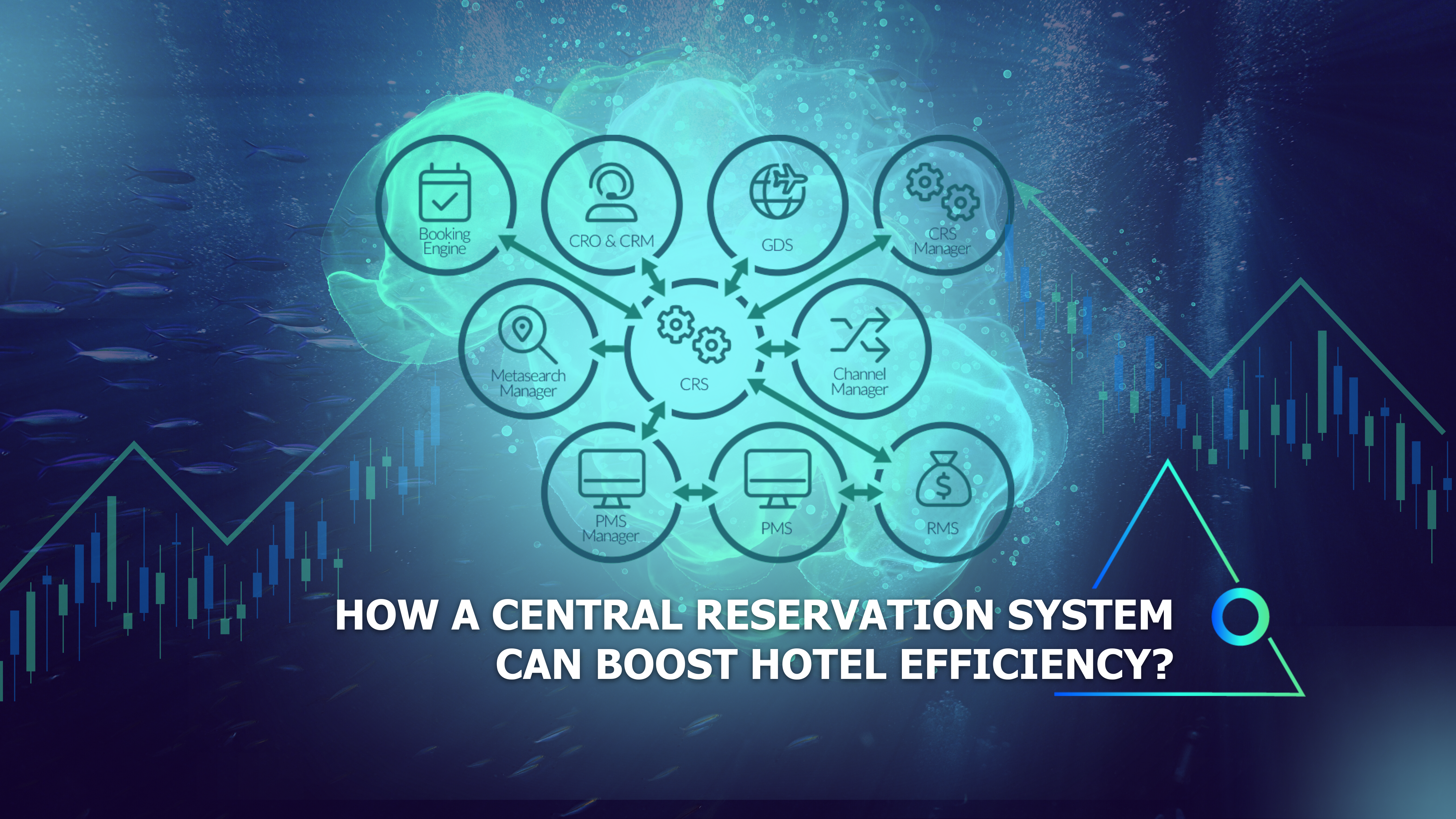
Boost Hotel Efficiency with a Central Reservation System (CRS)

Disruptive Trends & the Future of Hospitality

The Impact of Hotel CRM on Customer Loyalty
Choosing a Revenue Management System for Your Hotel
7 Ways Hospitality Technology Enhances Hotel Operations & Profitability