0
No. of Vendors
0
No. of Products
0
Verified Products
Time and Attendance Systems for hotels
Payroll accuracy in hotels depends on reliable time and attendance data. Shift-based, variable-hour, and casual employment across multiple departments creates complex time recording requirements that paper timesheets and manual clock-in systems handle inconsistently. Errors in time recording translate directly into payroll errors that cost money, create legal liability, and damage staff trust.
What are Time and Attendance Systems for hotels?
Time and Attendance Systems are technology platforms that record employee start and finish times, calculate actual hours worked, manage break and overtime rules, and feed accurate time data into payroll processing. In hotel environments they cover all employment types including full-time, part-time, casual, and agency staff across multiple departments and shift patterns.
Core functions include:
• Digital clock-in and clock-out recording through mobile, biometric, or terminal interfaces
• Actual hours calculation with overtime, break, and contractual rule application
• Absence and late arrival monitoring with management alerts
• Timesheet approval workflows for manager verification
• Integration with payroll systems and workforce management solutions
Why do Time and Attendance Systems matter for hotels?
Hotel payroll is among the most complex in any industry. Multiple employment contracts, shift allowances, overtime thresholds, tip and tronc arrangements, and variable-hour schedules all create payroll calculation requirements that manual timesheet processing consistently handles inaccurately. Every payroll error is either a cost overrun for the hotel or a payment shortfall for the employee, both of which create problems.
• Payroll errors from inaccurate time data have direct financial and legal consequences: underpayment of staff creates legal liability while overpayment through manual recording errors increases labor cost
• Casual and variable-hour employment requires precise time recording: staff paid by the hour or on zero-hours contracts depend entirely on accurate time recording for correct payment
• Overtime management requires real-time visibility: managers without live time data cannot identify approaching overtime thresholds before they are exceeded
• Buddy punching and time fraud are preventable with biometric systems: biometric clock-in systems that verify identity eliminate the clock-in fraud that manual and PIN-based systems cannot prevent
What problems do Time and Attendance Systems help solve?
• Manual timesheet inaccuracies creating payroll errors: digital time recording with automatic calculation eliminates the recording and calculation errors that manual timesheets produce
• No real-time visibility into actual hours worked: live time dashboards give managers current labor cost data that weekly timesheet collection cannot provide
• Overtime threshold management requiring manual tracking: automated overtime alerts notify managers when staff approach contractual or legal thresholds before they are exceeded
• Payroll preparation consuming HR and management time: automated time data export to payroll systems eliminates the manual compilation and checking of timesheet records
• No audit trail for time disputes: digital records with timestamps and approval workflows provide the documentation that resolves time disputes between staff and management
What capabilities should hotels expect?
• Multiple clock-in methods including mobile app, biometric terminal, and web browser
• Automatic calculation of contracted hours, overtime, and allowances
• Real-time labor hours dashboard for management visibility
• Timesheet approval workflow with manager review and sign-off
• Integration with workforce management solutions and human resource management solutions
How do Time and Attendance Systems fit into the hotel technology ecosystem?
• Workforce management solutions: actual hours data from time and attendance systems feeds labor cost reporting and schedule variance analysis
• Human resource management solutions: employee contract and pay rate data from HR systems informs time calculation rules and payroll processing
• Financial planning and reporting: actual labor hours and cost data feeds departmental financial reporting and budget variance analysis
• Restaurant HR tools: F&B-specific time recording requirements including split shifts and tronc management connect with specialist restaurant HR infrastructure
Which hotel types benefit most?
• Hotels with large numbers of casual and variable-hour staff: where precise time recording is the foundation of accurate pay calculation for the most vulnerable employment category
• Full-service hotels with multiple departments: where time recording across rooms, F&B, spa, and operations creates management and payroll complexity that manual systems cannot handle
• Hotels with significant overtime exposure: where real-time labor hours visibility enables proactive management of overtime costs before they accumulate
• Hotels subject to employment law scrutiny: where documented, auditable time records provide the compliance evidence that regulatory inspections require
What should hotels evaluate before selecting a platform?
• Employment type flexibility: the system must handle all contract types in the hotel's workforce including full-time, part-time, casual, and agency staff
• Payroll system integration: automated time data export to payroll eliminates manual transfer and the errors it introduces
• Mobile accessibility for operational staff: staff without fixed workstations need mobile clock-in capability that works reliably in operational environments
• Overtime and rule calculation accuracy: contracted hours rules, overtime thresholds, and allowance calculations must be correctly configured for the hotel's employment framework
• Manager approval workflow quality: timesheet review and approval must be efficient and accessible for managers overseeing multiple departments
What common mistakes should hotels avoid?
• Maintaining paper timesheets alongside digital systems: parallel systems undermine the accuracy and audit trail benefits of digital time recording
• Insufficient rule configuration at deployment: time systems deployed with generic calculation rules rather than the hotel's actual contractual framework produce incorrect pay calculations from day one
• No manager training on approval workflows: managers who do not actively review and approve timesheets allow errors to reach payroll unchecked
• Selecting systems without payroll integration: time recording without automated payroll export retains the manual processing step that is the primary source of payroll errors
How have Time and Attendance Systems evolved?
Hotel time recording has evolved from paper timesheets and punch card machines into connected digital platforms with biometric verification and automated payroll integration. Mobile clock-in capability became commercially widespread from around 2016, enabling frontline staff without fixed workstations to record time accurately. By 2025, platforms combining biometric verification, mobile access, real-time labor dashboards, and automated payroll integration had become the standard for professionally managed hotel time and attendance management.
What trends are shaping Time and Attendance Systems?
• Biometric verification becoming standard: fingerprint and facial recognition clock-in systems are eliminating buddy punching and improving time recording accuracy
• AI-powered anomaly detection: machine learning is identifying unusual time patterns that indicate fraud, scheduling errors, or payroll risks before they reach payroll processing
• Real-time labor cost integration: time data is feeding live labor cost dashboards that connect with workforce management solutions for in-period management
• Mobile-first for frontline accessibility: smartphone-based clock-in without dedicated hardware is reducing deployment cost and improving adoption for mobile workforces
What impact can Time and Attendance Systems deliver?
• Eliminated payroll errors through accurate digital time recording and automated calculation
• Reduced overtime costs through real-time threshold visibility enabling proactive management
• Complete time record audit trail for employment compliance and dispute resolution
• Significant reduction in payroll preparation time through automated system integration
What should hotels prioritize when comparing providers?
Hotels evaluating Time and Attendance Systems should prioritize payroll integration, employment type flexibility, mobile accessibility, and calculation rule accuracy as the primary criteria.
• Payroll system integration: automated time data export is the most commercially important capability
• Employment type flexibility: all contract types in the hotel workforce must be accurately supported
• Mobile accessibility: frontline staff need clock-in options that work without fixed workstations
• Calculation rule configurability: overtime, allowance, and contractual hour rules must be accurately configured for the hotel's employment framework
Start your comparison on ExploreTECH
Blogs (5)

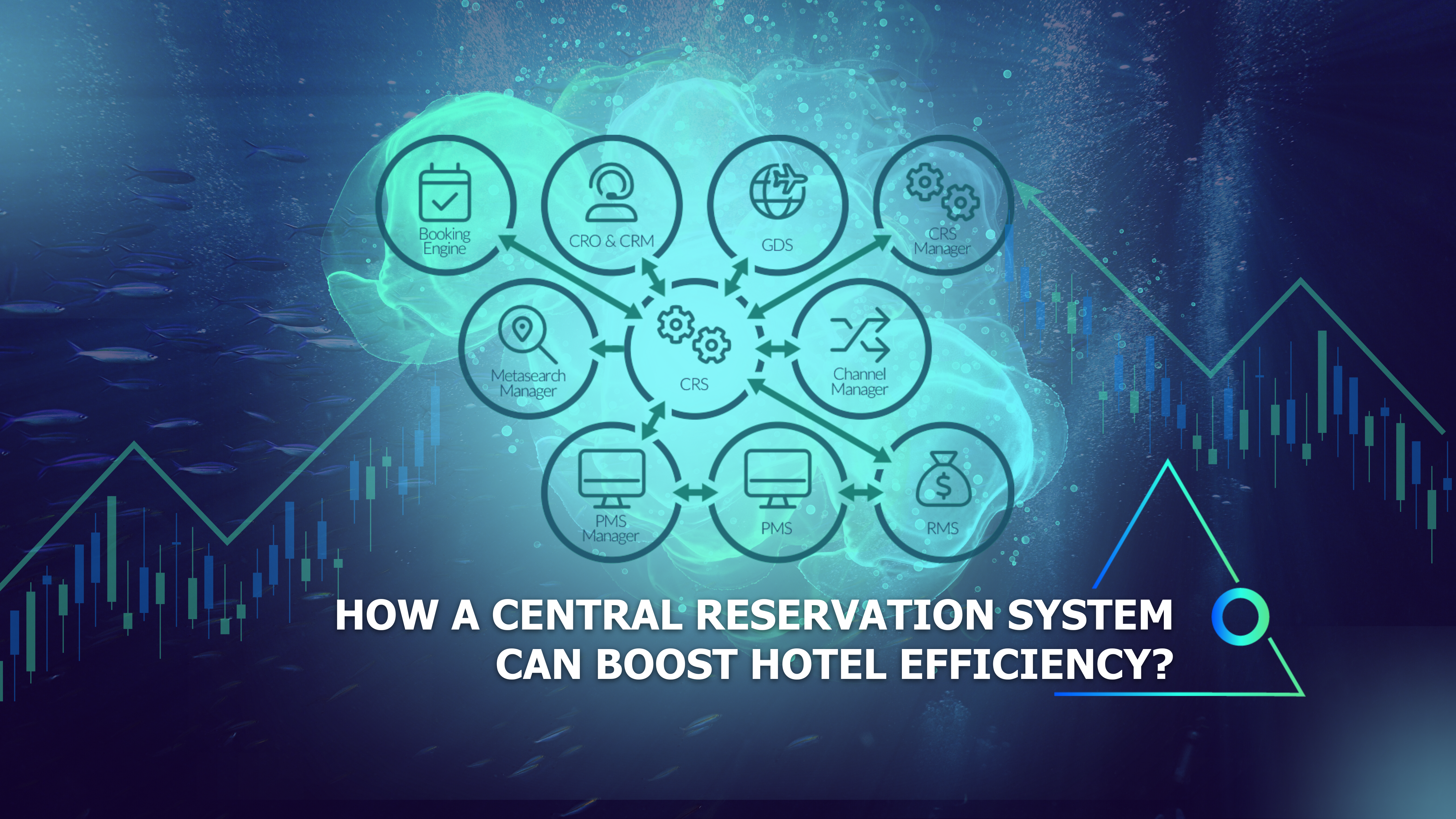
Boost Hotel Efficiency with a Central Reservation System (CRS)

Disruptive Trends & the Future of Hospitality

The Impact of Hotel CRM on Customer Loyalty
Choosing a Revenue Management System for Your Hotel

7 Ways Hospitality Technology Enhances Hotel Operations & Profitability