4
No. of Vendors
4
No. of Products
0
Verified Products
Products (4)

Bodhi Platform
by Bodhi

Unverified
Dwarpaal Smart Hotel
by Dwarpaal Inc
Unverified
Pilot EI
by Fusion Energy Inc.
Unverified
SCorp-io
by SCorp-io
UnverifiedBuilding Operation Systems for hotels
A hotel building is one of the most complex operational environments in any real estate category. HVAC systems, lighting networks, fire safety infrastructure, elevator management, water systems, and energy distribution all operate simultaneously across hundreds of rooms and dozens of operational areas. Managing these systems efficiently and reliably requires coordination that manual oversight and disconnected controls cannot provide.
Building Operation Systems (BOS), also commonly referred to as Building Management Systems (BMS) or Building Automation Systems (BAS), provide the integrated infrastructure to monitor, control, and optimize all building mechanical and electrical systems from a centralized platform. Modern hotel building operation systems integrate with energy management systems, IoT and smart environmental sensors, and guest room management systems (GRMS) to create a connected building intelligence environment that reduces energy costs, improves maintenance efficiency, and maintains the environmental standards that guest comfort requires.
What are Building Operation Systems for hotels?
Hotel
Building
Operation Systems (BOS) are integrated technology platforms that monitor and
control the mechanical, electrical, and plumbing systems across a hotel
building. They bring HVAC, lighting, fire safety, elevator management, water
systems, and energy distribution under centralized management, providing
engineering teams with real-time visibility into building performance and
automated control capability.
Core
functions include:
•
HVAC monitoring and control including temperature, ventilation,
and air handling
•
Lighting control across common areas, operational spaces, and
external areas
•
Fire and life safety system integration and monitoring
•
Energy distribution monitoring and demand management
•
Fault detection and predictive maintenance alerting
Why do Building Operation Systems matter for hotels?
Hotel
buildings consume energy continuously across hundreds of rooms, extensive
public areas, kitchens, pools, and operational facilities. Without centralized
control and monitoring, energy waste, equipment failures, and environmental
inconsistencies accumulate without visibility. Building operation systems
address this by providing the engineering intelligence to manage building
performance systematically rather than reactively.
•
Energy consumption is the second largest hotel operating cost: centralized building
control and optimization reduces energy waste across HVAC, lighting, and
mechanical systems
•
Equipment failures that go undetected until they affect
guests create avoidable service failures: fault detection that identifies equipment
degradation before failure allows maintenance intervention before guests
experience the consequences
•
Guest comfort requires consistent environmental management: temperature, air
quality, and lighting standards across hundreds of rooms cannot be maintained
consistently through manual controls
•
Regulatory compliance requires documented building system
management:
fire safety, building code compliance, and ESG reporting obligations require
the documented performance data that building operation systems produce
What problems do Building Operation Systems help solve?
•
Energy waste from uncoordinated building system management: centralized control
and automation eliminates the inefficiency of independently managed HVAC,
lighting, and mechanical systems operating without coordination
•
Reactive maintenance after equipment failures: fault detection and
predictive maintenance alerting identifies equipment issues before they cause
failures that affect guests or operations
•
Inconsistent environmental conditions across the property: automated control
maintains consistent temperature, ventilation, and lighting standards
regardless of occupancy patterns or time of day
•
No visibility into building system performance: centralized
dashboards provide engineering teams with real-time status across all
mechanical and electrical systems simultaneously
•
Compliance documentation gaps for fire safety and building
codes:
automated logging creates the auditable records that building code inspections
and insurance requirements demand
What capabilities should hotels expect?
•
Centralized building management dashboard with real-time system
status visibility
•
Automated HVAC scheduling and setpoint management
•
Fault detection and diagnostic capability with maintenance
alerting
•
Energy consumption monitoring and demand management
•
Integration with energy management systems, IoT and smart
environmental sensors, and guest room management systems (GRMS)
How do Building Operation Systems fit into the hotel technology ecosystem?
•
Energy management systems: building operation systems provide the
control infrastructure that energy management platforms optimize for
consumption reduction and cost efficiency
•
IoT and smart environmental sensors: sensor data feeds
building operation systems with real-time occupancy, temperature, and air
quality information for responsive automated control
•
Guest room management systems (GRMS): GRMS connects
individual room environmental control with the building-wide management
environment
•
Facility management software: fault alerts and
equipment performance data from building operation systems trigger maintenance
workflows in facility management platforms
Which hotel types benefit most?
•
Large full-service hotels and resorts: where the complexity
and scale of building systems creates management requirements that manual
oversight cannot meet
•
Hotels with high energy costs: where the ROI from
centralized building optimization and energy reduction is most commercially
significant
•
Hotels with sustainability certification targets: where documented
building performance data is required for certification compliance and ESG
reporting
•
Multi-property hotel groups: where standardized building management
across properties enables consistent engineering standards and portfolio-level
performance benchmarking
What should hotels evaluate before selecting a platform?
•
System integration breadth: the platform must connect with all
building mechanical and electrical systems relevant to the property
•
Fault detection and predictive maintenance capability: proactive equipment
failure identification is among the most commercially valuable capabilities in
building operation systems
•
Energy optimization functionality: assess how
effectively the platform supports demand management, scheduling optimization,
and energy consumption reduction
•
Scalability and future connectivity: building operation
systems require long operational lifetimes and must accommodate future system
additions and technology upgrades
•
ESG reporting integration: building performance data must be
available in formats that connect with carbon footprint management and ESG
reporting platforms
What common mistakes should hotels avoid?
•
Implementing BOS without engineering team training: building operation
systems deliver their value only when engineering teams use the monitoring and
control capabilities rather than continuing manual management practices
•
Insufficient commissioning and system configuration: building management
systems that are not correctly commissioned for the specific building create
automated control that does not reflect actual operational requirements
•
No integration with energy management strategy: building operation
systems provide the control infrastructure but energy management strategy must
define the optimization objectives the system works toward
•
Treating building operation as infrastructure rather than a
commercial function: energy cost reduction, maintenance efficiency, and ESG
performance are all commercially measurable outcomes that building operation
systems directly influence
How have Building Operation Systems evolved?
Hotel
building management has evolved from manual controls and separate mechanical
system monitoring into integrated building operation platforms. Early BMS
deployments from the 1990s focused primarily on HVAC control. The integration
of lighting, fire safety, elevator management, and energy monitoring into
unified platforms expanded significantly from around 2010. By 2025,
cloud-connected building operation systems with AI-powered fault detection and
ESG reporting integration had become the standard for new hotel building
management deployments.
What trends are shaping Building Operation Systems?
•
AI-powered fault detection and predictive maintenance: machine learning is
improving the accuracy of equipment failure prediction and the identification
of performance anomalies before they cause failures
•
Cloud connectivity and remote management: cloud-connected
building operation systems enable remote monitoring and management across
multiple properties from centralized engineering teams
•
ESG reporting integration: building performance data is feeding
more directly into carbon footprint management and ESG reporting platforms as
sustainability disclosure requirements grow
•
Digital twin integration: building operation systems are
connecting with digital twin environments that model building performance for
optimization scenario planning
What impact can Building Operation Systems deliver?
•
Measurable energy cost reduction through centralized
optimization and demand management
•
Reduced maintenance costs through predictive fault detection and
proactive intervention
•
Consistent guest comfort through automated environmental
management
•
ESG reporting contribution through documented building
performance data
What should hotels prioritize when comparing providers?
Hotels
evaluating Building Operation Systems should look beyond monitoring dashboards
and assess how effectively a platform delivers automated optimization,
predictive maintenance, and ESG reporting integration within a connected
building intelligence environment.
•
System integration breadth and reliability: all relevant
mechanical and electrical systems must be covered with reliable connectivity
•
Fault detection and predictive maintenance quality: proactive equipment
management is the highest-value capability for most hotel engineering
operations
•
Energy optimization functionality: demand management and
scheduling optimization must deliver measurable consumption reduction
• ESG and sustainability reporting integration: building performance data must connect with carbon footprint management and reporting platforms
Blogs (5)

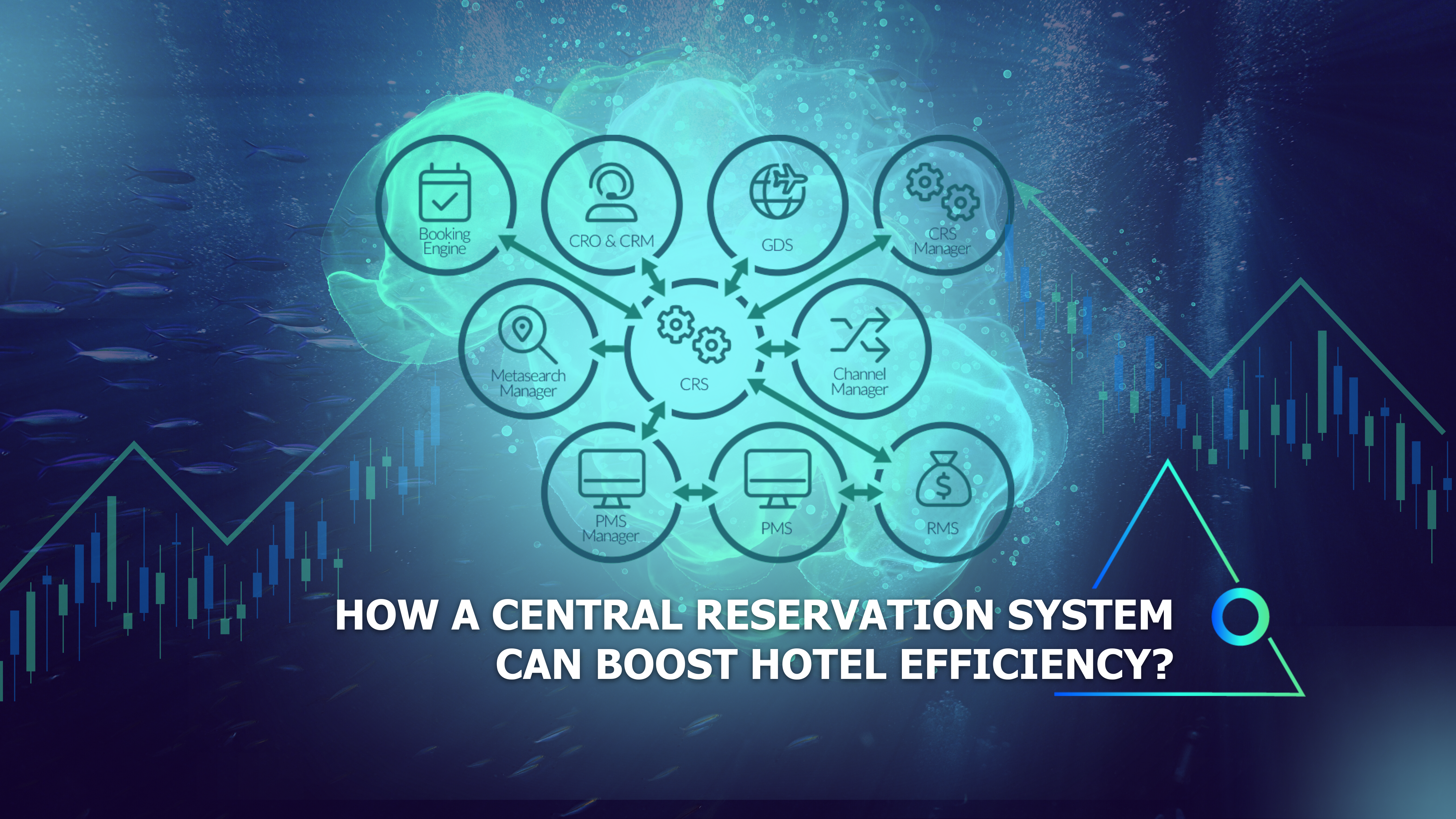
Boost Hotel Efficiency with a Central Reservation System (CRS)

Disruptive Trends & the Future of Hospitality

The Impact of Hotel CRM on Customer Loyalty
Choosing a Revenue Management System for Your Hotel

7 Ways Hospitality Technology Enhances Hotel Operations & Profitability