1
No. of Vendors
1
No. of Products
1
Verified Products
CHECKOUT OUR LATEST ARTICLE
Products (1)
AI Powered

PMS Migration
by dailypoint™ - The CDP for CRM & Loyalty

Partially verifiedCustom Software and Development Services for Hotels
Off-the-shelf hospitality technology solves most problems well. But some operational requirements, integration challenges, and guest experience ambitions fall outside what standard platforms can support. When the gap between what existing technology delivers and what the hotel actually needs is significant enough to affect commercial performance or operational efficiency, custom software development becomes a strategic option worth evaluating.
Custom Software and Development Services for hotels encompass specialist providers who design, build, and maintain bespoke technology solutions including custom integrations, guest-facing applications, operational tools, and proprietary platform development. Modern hospitality development providers combine technical expertise with sector knowledge to deliver solutions that work within the specific constraints and commercial objectives of hotel environments.
What are Custom Software and Development Services for hotels?
Custom
Software and Development Services are specialist providers that design and build
technology solutions tailored to a hotel's specific operational requirements,
integration needs, or guest experience goals. Rather than adapting workflows to
fit available off-the-shelf software, custom development creates technology
that fits the hotel's actual processes, data environment, and commercial
objectives.
Core
service areas include:
•
Custom API development and system integration work
•
Bespoke guest-facing web and mobile application development
•
Proprietary operational tool and workflow platform development
•
Legacy system modernization and migration
•
Custom reporting, analytics, and business intelligence solutions
Why do custom development services matter for hotels?
The
hospitality technology market offers a broad range of solutions, but standard
platforms are designed for the majority of use cases rather than every specific
scenario. Hotels with unique operational models, complex integration
requirements, proprietary processes, or differentiated guest experience
ambitions frequently encounter gaps that off-the-shelf software cannot bridge
without significant compromise.
•
Integration complexity sometimes exceeds what standard
connectors support: some hotel technology environments require custom middleware
or bespoke API development to achieve the connectivity that commercial
performance depends on
•
Proprietary guest experience features can become competitive
advantages:
hotels that invest in custom guest-facing technology create differentiated
experiences that standard platforms cannot replicate
•
Legacy systems sometimes cannot be replaced but must be
connected:
older operational systems that remain in use often require custom integration
work to function within modern technology stacks
•
Operational workflows that do not match available software
require adaptation: forcing unique operational processes into standard software
often creates inefficiency that custom tools can eliminate
What problems do custom development services help hotels solve?
•
Integration gaps between systems with no commercial connector: some technology
combinations simply do not have off-the-shelf integration options, requiring
custom API development to connect
•
Operational tools that do not exist in the market: some hotel workflows
are sufficiently unique that no commercial platform has built a solution for
them
•
Guest-facing applications that require proprietary
functionality: loyalty programs, booking experiences, and guest service tools
that need to reflect specific brand requirements often require custom
development
•
Data and reporting needs that standard BI tools cannot meet: some hotels require
custom analytics environments that combine data sources in ways that commercial
platforms do not support
•
Legacy system dependencies that create bottlenecks: older operational
systems that cannot be replaced can often be extended or connected through
custom development
What service capabilities should hotels evaluate?
Custom
software development for hospitality requires a specific combination of
technical capability and sector knowledge. The most valuable providers
understand both how to build software and how hotels actually operate.
•
Hospitality sector technology expertise including PMS, POS, and
CRS integration experience
•
Full-stack development capability across web, mobile, and API
development
•
Cloud architecture and DevOps capability for scalable and
maintainable deployments
•
UX and product design for guest-facing applications
•
Ongoing support, maintenance, and iterative development
capability
How do custom development services connect with hotel technology?
Custom
development providers work within and around the hotel's existing technology
environment. Understanding the APIs, data structures, and integration patterns
of core hospitality systems is essential for building solutions that work
reliably within a live operational context.
•
PMS systems: are the most common integration target for
custom hotel software, requiring deep familiarity with available APIs and data
models
•
Payment systems: custom applications that handle transactions
must be developed with PCI DSS compliance requirements embedded from the design
stage
•
Third-party platforms: custom solutions frequently need to integrate
with OTAs, GDS platforms, and other commercial systems that have their own API
constraints and requirements
Which hotel types benefit most from custom development?
•
Large independent hotels and hotel groups with proprietary
systems:
benefit from custom integration work that connects legacy and bespoke platforms
within modern technology environments
•
Luxury and lifestyle brands with differentiated guest
experience ambitions: invest in custom guest-facing applications that deliver
brand-specific digital experiences that standard platforms cannot support
•
Hotels with complex operational models: benefit from custom
operational tools that support workflows too specific to be served by
commercial software
•
Hotel groups building proprietary technology assets: use custom
development to create internal platforms and tools that become operational
competitive advantages
What should hotels evaluate before engaging a custom development provider?
•
Hospitality technology experience: providers who
understand PMS APIs, payment systems, and hotel operational workflows build
faster and make fewer costly assumptions
•
Build versus buy assessment quality: a strong development
partner should help honestly assess whether custom development is genuinely
justified or whether a commercial solution can meet the requirement
•
Ongoing support and maintenance commitment: custom software
requires long-term support, and providers who do not offer structured
maintenance create significant operational risk
•
Security and compliance expertise: custom hospitality
applications handling guest data or payments must be built with security and
compliance requirements embedded from the start
•
Agile delivery methodology: hotel technology projects benefit from
iterative development approaches that allow requirements to be refined based on
operational learning
What common mistakes should hotels avoid?
•
Building custom solutions for problems that standard
platforms already solve: custom development is expensive and creates long-term
maintenance obligations that are only justified when commercial solutions
genuinely cannot meet the requirement
•
Underestimating total cost of ownership: the initial
development cost is typically a fraction of the long-term cost of maintaining,
updating, and supporting custom software
•
Insufficient requirements definition before development
begins:
vague or incomplete requirements lead to expensive scope changes and rework
that erode the business case for the project
•
No plan for ongoing development and maintenance: custom software that
is not maintained becomes technically outdated and operationally fragile within
a few years of initial deployment
How has custom hospitality software development evolved?
Custom
hospitality software development has evolved from bespoke system builds into a
more agile, API-first discipline. The shift to cloud-based hotel technology has
made custom integration work more accessible as standard PMS and operational
platforms have opened their APIs. By 2025, low-code and no-code development
tools had also expanded the range of custom solutions that hospitality teams
could build without full software development engagements, changing the
economics of some categories of custom work.
What 2026 trends are shaping custom hospitality software development?
•
AI-assisted development acceleration: generative AI coding
tools are reducing development timelines and costs for certain categories of
custom hospitality software
•
API-first hospitality platform ecosystems: the continued
expansion of open APIs across PMS and commercial platforms is making custom
integration work faster and more reliable
•
Composable hospitality technology: hotels are
increasingly assembling custom technology stacks from specialist components
rather than relying on all-in-one platforms, driving demand for integration
development
•
Guest experience app investment: luxury and lifestyle
hotel groups continue to invest in proprietary guest apps as a direct guest
relationship and brand differentiation strategy
What impact can custom development services deliver?
•
Elimination of integration gaps that limit operational
efficiency or commercial performance
•
Differentiated guest-facing experiences that standard platforms
cannot support
•
Proprietary operational tools that improve workflow efficiency
and reduce manual processes
•
Long-term technology assets that create sustainable competitive
advantages
What should hotels prioritize when comparing custom development providers?
Hotels
evaluating Custom Software and Development providers should look beyond
technical capability and assess how effectively a provider understands
hospitality operations, can challenge requirements honestly, and will support
the software they build over the long term.
•
Hospitality technology sector experience: sector expertise
reduces project risk and accelerates delivery by eliminating the learning curve
on hotel systems and workflows
•
Honest build versus buy guidance: providers who
recommend custom development for every problem are not acting in the hotel's
best interest
•
Long-term support and maintenance capability: assess the provider's
commitment and capacity to support custom software through its operational
lifecycle
•
Security and compliance expertise: PCI DSS compliance
and data protection requirements must be understood and embedded from the
design stage
News (5)

Agentic AI in Hospitality: Evolution, Risks, and Strategic Reality
dailypoint™ Announces Strategic Partnership with Global Hotel Alliance

dailypoint™ Named #1 Hotel CRM & E-Mail Marketing Solution in 2026 HotelTechAwards

dailypoint™ & Selise Group AG form strategic patnership

5 ways to improve personalized messaging and boost guest engagement
Blogs (5)

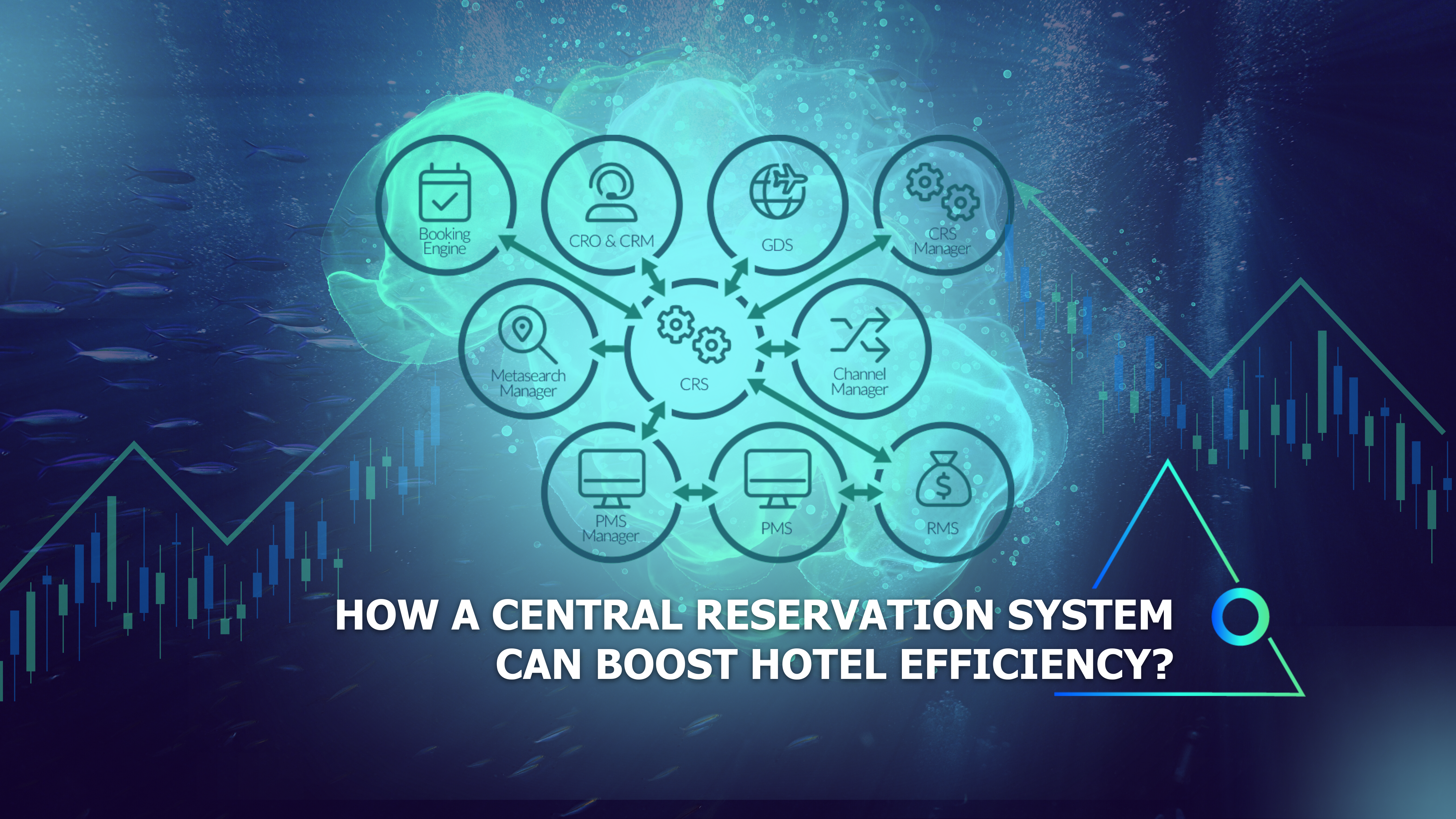
Boost Hotel Efficiency with a Central Reservation System (CRS)
Disruptive Trends & the Future of Hospitality
The Impact of Hotel CRM on Customer Loyalty
Choosing a Revenue Management System for Your Hotel
7 Ways Hospitality Technology Enhances Hotel Operations & Profitability