79
No. of Vendors
82
No. of Products
30
Verified Products
CHECKOUT OUR LATEST ARTICLE

Products (82)
AI Native

Guest Engagement / Journey
by Access Hospitality, The Access Group's hospitality division

Vendor verifiedAI Powered

Eleanor
by Eleanor
Vendor verified
AeroGuest
by AeroGuest
Vendor verified
Alliants Guest App
by Alliants
Vendor verifiedAI Powered

Alliants Experience Platform
by Alliants
Vendor verified
ONEapp™
by at-visions Informationstechnologie GmbH
Vendor verifiedAI Powered

Upsell Revenue Engine
by BookingWhizz
Vendor verifiedAI Powered

Guest Management System
by Canary Technologies
Vendor verified
Duve
by Duve
Vendor verifiedGuest Stay and Journey Management Platforms for hotels
The hotel guest journey spans dozens of touchpoints from first search through post-stay follow-up. Most hotels manage these touchpoints through a disconnected mix of systems, each handling a fragment of the guest experience without a unified view of the individual guest or their journey. The result is communication that feels generic, service that does not reflect what the hotel already knows about the guest, and opportunities for personalization and recovery that are missed entirely.
Guest Stay and Journey Management Platforms give hotels the technology to orchestrate the complete guest experience across every touchpoint in a connected, personalized, and measurable way. These platforms sit above individual operational systems, drawing on data from property management systems, customer relationship management (CRM), and guest communication tools to coordinate the full journey from pre-arrival through in-stay to post-checkout.
What are Guest Stay and Journey Management Platforms?
Guest
Stay and Journey Management Platforms are technology solutions that orchestrate the
end-to-end hotel guest experience across pre-arrival, in-stay, and post-stay
stages. They provide a unified environment for managing guest communication,
service delivery, personalization, and recovery across all journey touchpoints,
connecting the operational systems that currently handle each stage in
isolation.
Core
functions include:
•
Pre-arrival journey management including communication, check-in
preparation, and upsell
•
In-stay service orchestration including requests, issue
management, and personalized engagement
•
Post-stay communication, feedback collection, and retention
workflows
•
Unified guest profile combining data across all journey stages
•
Integration with property management systems, customer
relationship management (CRM), and guest communication platforms
Why do Guest Stay and Journey Management Platforms matter for hotels?
Guest
experience quality is determined by the sum of interactions across the entire
stay, not just the quality of individual service moments. Hotels that manage
each touchpoint through separate, disconnected systems consistently fail to
deliver the connected, personalized experience that modern guests expect
because no single system has visibility across the complete journey.
•
Disconnected touchpoints create fragmented guest experiences: a guest who reported
a preference at check-in should not need to repeat it to room service,
housekeeping, or the restaurant
•
Journey orchestration requires a unified data foundation: personalization and
proactive service delivery depend on combining data from PMS, CRM, and
communication platforms into a single guest view
•
In-stay issue identification requires active monitoring: hotels that wait for
guests to complain consistently miss recovery opportunities that proactive
journey management identifies early
•
Post-stay retention depends on journey-informed communication: follow-up
communication that reflects what the guest actually experienced converts at
significantly higher rates than generic messaging
What problems do these platforms help solve?
•
Siloed guest data preventing personalization: unified journey
platforms consolidate guest information across all touchpoints into a single
profile
•
Reactive service delivery missing proactive opportunities: journey management
identifies the moments when proactive outreach adds most value
•
No visibility into guest experience quality during the stay: in-stay monitoring
surfaces satisfaction signals before guests check out and post reviews
•
Generic post-stay communication with low engagement: journey data enables
post-stay messaging that reflects the individual guest's actual experience
•
Missed ancillary revenue during the journey: journey orchestration
identifies the right moments to present relevant offers throughout the stay
What capabilities should hotels expect?
•
Pre-arrival communication and digital check-in coordination
•
In-stay service request management and proactive engagement
workflows
•
Real-time guest satisfaction monitoring with recovery alert
capability
•
Post-stay feedback, review generation, and retention
communication
•
Integration with property management systems, customer
relationship management (CRM), and hotel reputation management platforms
How do these platforms fit into the hotel technology ecosystem?
•
Property management systems: reservation and stay data drives
journey stage triggers and guest profile enrichment
•
Customer relationship management (CRM): guest history and
preference data informs personalized journey content
•
Hotel reputation management: post-stay journey workflows connect
with reputation management for review generation
•
Helpdesk ticketing software: in-stay service requests create
tracked tickets for operational follow-up
Which hotel types benefit most?
•
Luxury and upscale hotels: where connected, personalized journey
management is central to the service proposition
•
Hotels with repeat business objectives: where journey data
enables the personalization that builds loyalty
•
Full-service hotels with multiple service touchpoints: where orchestrating
experience across rooms, F&B, spa, and activities requires connected
management
•
Branded hotel groups: requiring consistent guest experience
standards supported by unified journey data
What should hotels evaluate before selecting a platform?
•
PMS and CRM integration quality: journey orchestration
depends on accurate, real-time data from core operational systems
•
Journey stage coverage: pre-arrival, in-stay, and post-stay workflows
must be supported within a single connected environment
•
Personalization capability: guest data must actively tailor
communication and service across journey stages
•
In-stay monitoring and recovery: real-time
satisfaction monitoring with alert workflows is among the most commercially
valuable capabilities
What common mistakes should hotels avoid?
•
Treating journey management as a communication tool only: service orchestration
and recovery deliver more value than automated messaging alone
•
Insufficient data integration from PMS and CRM: platforms without
complete guest history default to generic rather than personalized journeys
•
Over-communicating through automated workflows: journey automation
must feel thoughtful and timely rather than excessive
•
No in-stay recovery process alongside monitoring: identifying
dissatisfied guests without a defined response process misses the most valuable
recovery opportunity
How have Guest Stay and Journey Management Platforms evolved?
Guest
journey management has evolved from disconnected communication tools into
connected orchestration platforms. The recognition that guest experience is a
continuous journey rather than isolated interactions drove the development of
unified journey management platforms from around 2019. By 2025, platforms
combining journey orchestration, personalization, and in-stay monitoring had
become established within the hospitality technology ecosystem.
What trends are shaping Guest Stay and Journey Management Platforms?
•
AI-powered journey personalization: machine learning
enables real-time personalization based on behavioral signals
•
Predictive service delivery: platforms are beginning to anticipate
guest needs before explicit requests
•
Total revenue management integration: journey platforms
connect with commercial systems to identify ancillary revenue opportunities
•
Convergence with digital concierge solutions: the boundary between
journey management and digital concierge is narrowing
What impact can these platforms deliver?
•
Improved guest satisfaction through connected, personalized
experience delivery
•
Higher in-stay recovery rates through proactive monitoring and
timely intervention
•
Stronger post-stay retention through journey-informed
communication
•
Increased ancillary revenue through well-timed, relevant offers
throughout the stay
What should hotels prioritize when comparing providers?
Hotels
evaluating Guest Stay and Journey Management Platforms should prioritize PMS
and CRM integration quality, journey stage coverage, personalization
capability, and in-stay monitoring.
•
PMS and CRM integration: journey orchestration depends on
complete, real-time guest data
•
End-to-end journey stage coverage: pre-arrival, in-stay,
and post-stay must be managed within a single platform
•
Personalization capability: guest data must actively inform
communication and service
• In-stay monitoring and recovery: real-time satisfaction visibility is the most commercially valuable capability
News (5)

Latitude Hotels partner with Eleanor

The AI Execution Era: Why 82% of Hoteliers Are Increasing Investment in 2026
.png)
Canary Technologies launches first-of-its-kind Hospitality AI Agent Studio

AI is not the answer if your resort or hotel lacks the basics

Omni Hotels & Resorts modernizes guest engagement with Canary Technologies
Blogs (5)

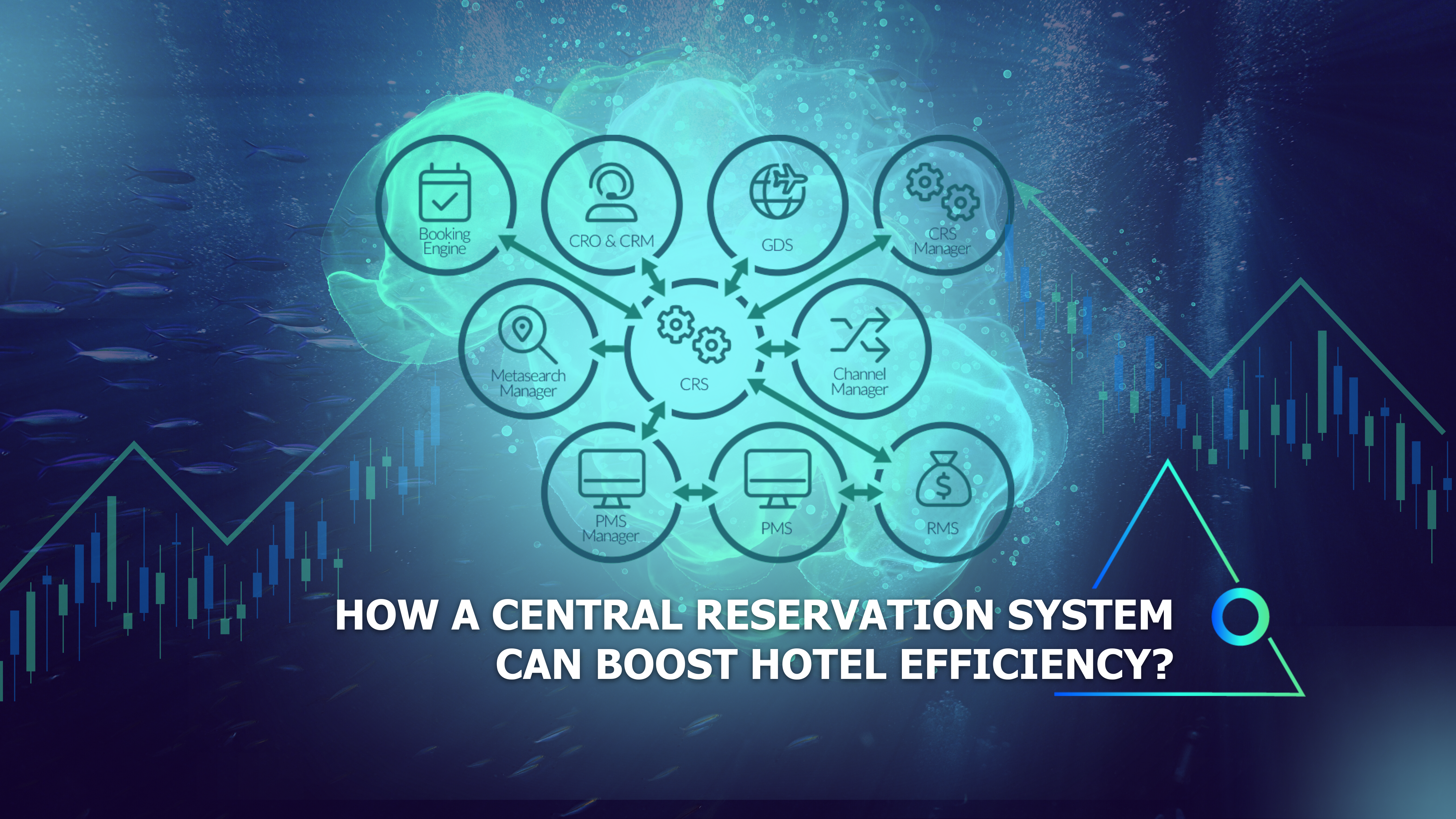
Boost Hotel Efficiency with a Central Reservation System (CRS)

Disruptive Trends & the Future of Hospitality

The Impact of Hotel CRM on Customer Loyalty
Choosing a Revenue Management System for Your Hotel

7 Ways Hospitality Technology Enhances Hotel Operations & Profitability