125
No. of Vendors
126
No. of Products
32
Verified Products
CHECKOUT OUR LATEST ARTICLE

Products (126)
AI Powered

Booking Engine
by Access Hospitality, The Access Group's hospitality division

Vendor verified
Blastness - Booking Engine
by Blastness SpA
Vendor verifiedCendyn Booking Engine
by Cendyn
Vendor verified
D-EDGE - Booking Engine
by D-EDGE
Vendor verified
Gauvendi Sales Engine
by GauVendi
Vendor verified-(1).jpg)
Hotelogix Web Booking Engine
by Hotelogix
Vendor verifiedAI Powered

HotelRunner Booking Engine
by HotelRunner
Vendor verified
iOL Escapes
by iOL
Vendor verified
Journey Ecommerce
by Journey
Vendor verifiedHotel Booking Engine Software
Every hotel that relies heavily on OTAs to fill rooms is paying a commission on guests it could have acquired directly. The booking engine is the technology that makes direct acquisition possible, yet many hotels still operate with platforms that are slow, difficult to use on mobile, and incapable of delivering the personalized experience that converts a browsing guest into a confirmed reservation.
Hotel Booking Engine Software addresses this by giving hotels a direct online reservation channel that competes effectively with third-party platforms on experience, not just price. Modern booking engines have evolved well beyond basic reservation widgets into broader direct commerce tools that support personalized offers, dynamic pricing, upselling, loyalty integration, and conversion analytics.
What is Hotel Booking Engine Software?
Hotel
Booking Engine Software is a hospitality technology platform that allows guests to
search availability, view rates, and complete reservations directly through a
hotel's website or digital channels. Rather than directing potential guests to
an OTA to complete their booking, a booking engine keeps the entire reservation
journey within the hotel's own digital environment, giving the hotel greater
control over pricing, guest data, and the booking experience.
Core
functions a booking engine handles include:
•
Real-time room availability and rate display connected to
operational systems
•
Direct online reservation completion with secure payment
processing
•
Mobile-optimized booking workflows across devices
•
Promotional offers, packages, and discount management
•
Upselling of room upgrades and ancillary services during the
booking journey
•
Loyalty program connectivity and member rate presentation
•
Conversion tracking and booking performance analytics
Why does a booking engine matter for hotels?
OTA
commissions typically range between 15 and 25 percent of the booking value. For
hotels with high OTA dependency, this represents a significant and recurring
cost that erodes margin on every reservation. A well-performing booking engine
is the most direct tool a hotel has to shift that balance, converting guests
who would otherwise book through a third party into direct customers who cost
less to acquire and are more likely to return.
Key
reasons a booking engine matters for hotels:
•
OTA commission costs are a direct margin problem: every reservation
completed through a third-party channel costs between 15 and 25 percent of its
value in commission fees
•
Direct bookings produce stronger guest relationships: hotels that own the
booking relationship have access to guest data, communication, and loyalty
opportunities that OTA bookings do not provide
•
Conversion depends on the quality of the booking experience: a slow, outdated, or
mobile-unfriendly booking engine drives potential guests back to OTA platforms
that offer a faster and more familiar experience
•
Pricing and brand control matters commercially: direct channels allow
hotels to present rates, packages, and brand identity on their own terms
without OTA interface constraints
•
Mobile booking behavior is now the majority: a booking engine that
does not perform well on mobile devices is effectively invisible to a large and
growing share of potential direct bookers
•
Direct booking data supports broader commercial strategy: guest information
captured through the booking engine feeds CRM, loyalty, and personalization
workflows that OTA bookings cannot support
What problems does a booking engine help hotels solve?
The
problems a booking engine addresses are commercial in nature but have
operational and guest experience implications. Hotels that cannot convert
direct traffic effectively are leaving revenue on the table and building guest
relationships through intermediaries rather than through their own channels.
Common
problems a booking engine addresses:
•
High OTA dependency and commission costs: hotels without an
effective direct booking channel are structurally dependent on third-party
platforms for guest acquisition
•
Poor website conversion rates: hotel websites that
attract traffic but cannot convert it into reservations represent a significant
lost revenue opportunity
•
Weak mobile booking experiences: booking flows that
are not optimized for mobile create friction that drives potential guests
toward OTA platforms with better mobile interfaces
•
Limited pricing and promotional flexibility: booking engines that
cannot support dynamic pricing, packages, or targeted promotions restrict the
hotel's ability to compete commercially on its own channels
•
Lack of guest data from third-party bookings: OTA reservations
provide minimal guest data, limiting the hotel's ability to personalize,
retain, and market to those guests in the future
•
Missed upselling opportunities: reservation journeys
that do not present upgrades, packages, or ancillary services leave incremental
revenue unrealized
What capabilities should hotels expect from modern booking engines?
Modern
booking engines have moved well beyond simple availability calendars and rate
displays. The most capable platforms now combine dynamic pricing integration,
personalized offer delivery, mobile-first design, loyalty connectivity,
upselling workflows, and conversion analytics within a single direct commerce
environment. Hotels should evaluate platforms not just on reservation
functionality, but on their ability to convert, personalize, and optimize the
direct booking journey.
Core
capabilities to evaluate include:
•
Real-time availability and dynamic pricing connected to RMS and
CRS
•
Mobile-first booking experience with fast, intuitive reservation
workflows
•
Promotional offer, package, and discount management
•
Upselling of room upgrades and ancillary services during the
booking journey
•
Loyalty program integration and member rate presentation
•
Secure payment processing with multi-currency and regional
payment method support
•
Conversion tracking and booking performance analytics
•
Integration with Property Management Systems (PMS), Central Reservation
Systems (CRS), Revenue Management Systems (RMS), Customer
Relationship Management (CRM) platforms, and payment gateways
How does a booking engine fit into the hotel technology ecosystem?
A
booking engine sits at the guest-facing front end of the hotel's commercial
technology infrastructure. It depends on clean data flowing in from operational
systems to display accurate availability and pricing, and it passes reservation
and guest data back into the PMS, CRS, and CRM when a booking is completed. The
quality of these integrations directly determines how accurately and
effectively the booking engine performs.
Common
integrations include:
•
Property Management Systems (PMS): provide room
inventory, reservation status, and operational availability data that the
booking engine displays to guests
•
Central Reservation Systems (CRS): support reservation
synchronization and centralized booking coordination across direct and
third-party channels
•
Revenue Management Systems (RMS): enable dynamic
pricing strategies to flow into the booking engine and update rates in real
time based on demand conditions
•
CRM platforms: support guest personalization, loyalty
program integration, and targeted offer delivery during the booking journey
•
Payment gateways: enable secure online transactions with
support for multiple currencies and regional payment methods
•
Guest engagement and loyalty platforms: support personalized
communication, member recognition, and direct guest relationship management
Which hotel types benefit most from a booking engine?
Every
hotel that accepts online reservations benefits from a well-performing booking
engine. The sophistication and scale of the solution required varies depending
on the hotel's digital strategy, guest volume, and the complexity of its direct
booking and personalization goals.
•
Independent hotels: benefit from a direct booking channel that
reduces OTA commission costs and builds guest relationships without requiring
large commercial teams
•
Boutique properties: gain the ability to present their brand
identity, packages, and unique offerings through a direct booking experience
that OTA platforms cannot replicate
•
Branded hotel groups: require standardized booking frameworks,
loyalty integration, multi-property support, and enterprise-level conversion
reporting
•
Resorts and leisure properties: benefit from booking
engine capabilities that support complex package presentation, ancillary
upselling, and longer booking journey management
•
Multi-property operators: depend on centralized booking
management, consistent brand presentation, and portfolio-wide direct booking
performance visibility
Typical
users include commercial teams, revenue managers, marketing departments,
distribution managers, and hotel leadership responsible for direct booking
performance and digital guest acquisition.
What should hotels evaluate before selecting a booking engine?
Selecting
a booking engine requires careful assessment of both conversion performance and
technical integration quality. A visually appealing booking engine that cannot
connect reliably with PMS, CRS, and RMS systems will display inaccurate
availability and pricing. Hotels should evaluate platforms against their actual
direct booking strategy and commercial goals rather than design aesthetics
alone.
Key
evaluation areas:
•
Conversion optimization: how effectively does the booking
engine reduce friction, support decision-making, and complete reservations
without unnecessary drop-off?
•
Mobile usability: does the booking experience feel fast,
intuitive, and complete on mobile devices across different screen sizes and
operating systems?
•
Integration quality: how reliably does the platform connect with
PMS, CRS, RMS, CRM, and payment systems?
•
Personalization capabilities: can the platform
deliver targeted offers, loyalty member rates, and guest-specific experiences
based on available data?
•
Payment flexibility: does the platform support secure transactions
and the payment methods relevant to the hotel's guest segments and geographic
markets?
•
Reporting and analytics: how effectively does the platform
surface booking behavior, conversion rates, and direct channel performance
data?
•
Brand alignment: does the booking experience reflect the
hotel's visual identity and guest experience standards consistently?
What common mistakes or challenges should hotels avoid?
Booking
engine underperformance typically comes from one of three sources: poor mobile
experience, weak integration quality, or a direct booking strategy that relies
on discounting rather than value creation. Hotels that treat the booking engine
as a passive reservation form rather than an active conversion tool
consistently leave direct revenue unrealized.
Common
pitfalls to avoid:
•
Neglecting mobile booking experience quality: a booking flow that
works well on desktop but creates friction on mobile will lose a significant
share of potential direct bookings
•
Competing with OTAs on price alone: direct booking
strategies built around discounts rather than experience, value, and
convenience are difficult to sustain commercially
•
Weak integration with pricing systems: a booking engine that
cannot reflect dynamic RMS pricing updates in real time will display rates that
do not align with the hotel's commercial strategy
•
Underinvesting in conversion optimization: booking engine
performance should be actively monitored and improved based on conversion data,
not set up and left unchanged
•
Ignoring upselling opportunities: the booking journey
is one of the highest-intent moments in the guest relationship and should be
used to present relevant upgrades and ancillary offers
•
Poor brand consistency: a booking experience that looks and feels
disconnected from the hotel's website undermines guest confidence and reduces
conversion
How has the booking engine category evolved?
Hotel
booking engines have shifted from basic online reservation forms into
sophisticated direct commerce platforms. Earlier generations displayed static
availability and processed transactions. Modern platforms are expected to
deliver personalized experiences, support dynamic pricing strategies, integrate
with loyalty and CRM systems, and provide the conversion analytics that
commercial teams need to optimize direct booking performance continuously.
Key
shifts in how the category has evolved:
•
Mobile booking has become the primary channel for direct
reservations, making mobile-first design a baseline requirement rather than a
differentiator
•
Dynamic pricing integration with RMS platforms has replaced
static rate display as the standard expectation
•
Personalization and loyalty connectivity have become
increasingly central to how hotels use booking engines to compete with OTA
platforms
•
Upselling and ancillary revenue capabilities have expanded the
booking engine's commercial role beyond room-only transactions
•
Conversion analytics have become a standard tool for monitoring
and improving direct booking performance
•
The boundaries between booking engine, CRM, and guest commerce
platforms are converging as hotels invest in more integrated direct booking
ecosystems
What trends are shaping the future of booking engines?
The
booking engine category continues to evolve as hotels place greater emphasis on
direct commerce performance, guest personalization, and digital experience
quality. Several trends are reshaping how hospitality organizations think about
and invest in direct booking technology.
•
AI-supported conversion optimization: AI is beginning to
support personalized offer delivery, pricing recommendations, and booking
journey optimization based on guest behavior and demand signals
•
Stronger direct booking investment: hotels are allocating
greater resources to direct channel performance as the commercial case for
reducing OTA dependency becomes more clearly understood
•
Integrated guest commerce: booking engines are becoming more
closely connected with upselling, loyalty, and guest engagement platforms as
hotels invest in end-to-end direct commerce experiences
•
Alternative payment and checkout innovation: hotels are expanding
payment flexibility to support digital wallets, regional payment methods, and
faster checkout experiences
•
Personalized booking journeys at scale: guest data from CRM
and loyalty platforms is increasingly being used to tailor the booking
experience to individual guest preferences and history
•
Metasearch and direct booking integration: hotels are investing
more in metasearch connectivity to capture high-intent guests and direct them
into their own booking engine rather than OTA platforms
What commercial impact can a booking engine deliver?
A
well-implemented booking engine improves direct revenue performance, reduces
distribution costs, and strengthens the hotel's guest relationships
simultaneously. Its commercial impact extends beyond commission savings into
guest data ownership, loyalty development, and the long-term value of building
a direct booking customer base.
Potential
impacts include:
•
Increased direct booking revenue through improved conversion
rates on hotel-owned digital channels
•
Reduced OTA commission costs as a greater share of reservations
shift to direct channels
•
Higher average booking value through upselling of room upgrades
and ancillary services during the reservation journey
•
Improved guest data ownership enabling CRM, loyalty, and
personalization workflows that OTA bookings cannot support
•
Stronger guest retention through direct communication and
loyalty integration that builds repeat booking relationships
•
Greater pricing and brand control across the direct booking
channel
What should hotels prioritize when comparing booking engine providers?
Hotels
evaluating booking engine platforms should look beyond visual design and assess
how effectively a solution converts traffic, integrates with commercial
systems, supports personalization, and provides the analytics needed to improve
direct booking performance over time. The right booking engine should function
as an active revenue driver, not a passive reservation form.
Key
priorities when comparing providers:
•
Conversion performance and UX quality: evaluate how
effectively the booking journey reduces friction, builds confidence, and
completes reservations across device types
•
Mobile experience quality: the booking engine must deliver a
fast, intuitive, and complete reservation experience on mobile devices
•
Integration reliability with PMS, CRS, and RMS: accurate availability
and real-time pricing depend on clean, reliable connectivity with operational
and commercial systems
•
Personalization and loyalty capabilities: assess how
effectively the platform supports targeted offers, member rates, and
guest-specific booking experiences
•
Payment flexibility and security: the platform must
support secure transactions and the payment methods relevant to the hotel's
guest segments and markets
•
Analytics and conversion reporting: commercial teams need
clear visibility into booking behavior, drop-off points, and channel
performance to optimize direct booking strategy
• Brand consistency and customization: the booking experience should reflect the hotel's visual identity and maintain guest confidence throughout the reservation journey
ExploreTECH helps
hospitality teams evaluate Hotel Booking Engine Software through a more
structured approach to discovery, comparison, and technology decision-making
before any transaction takes place.
News (5)

What ChatGPT’s decision to move away from in-platform transactions means for hotels

AI is rewiring how people choose hotels

How to choose the right RMS for your property

How hotels can navigate sudden shifts in global travel demand
Blogs (5)

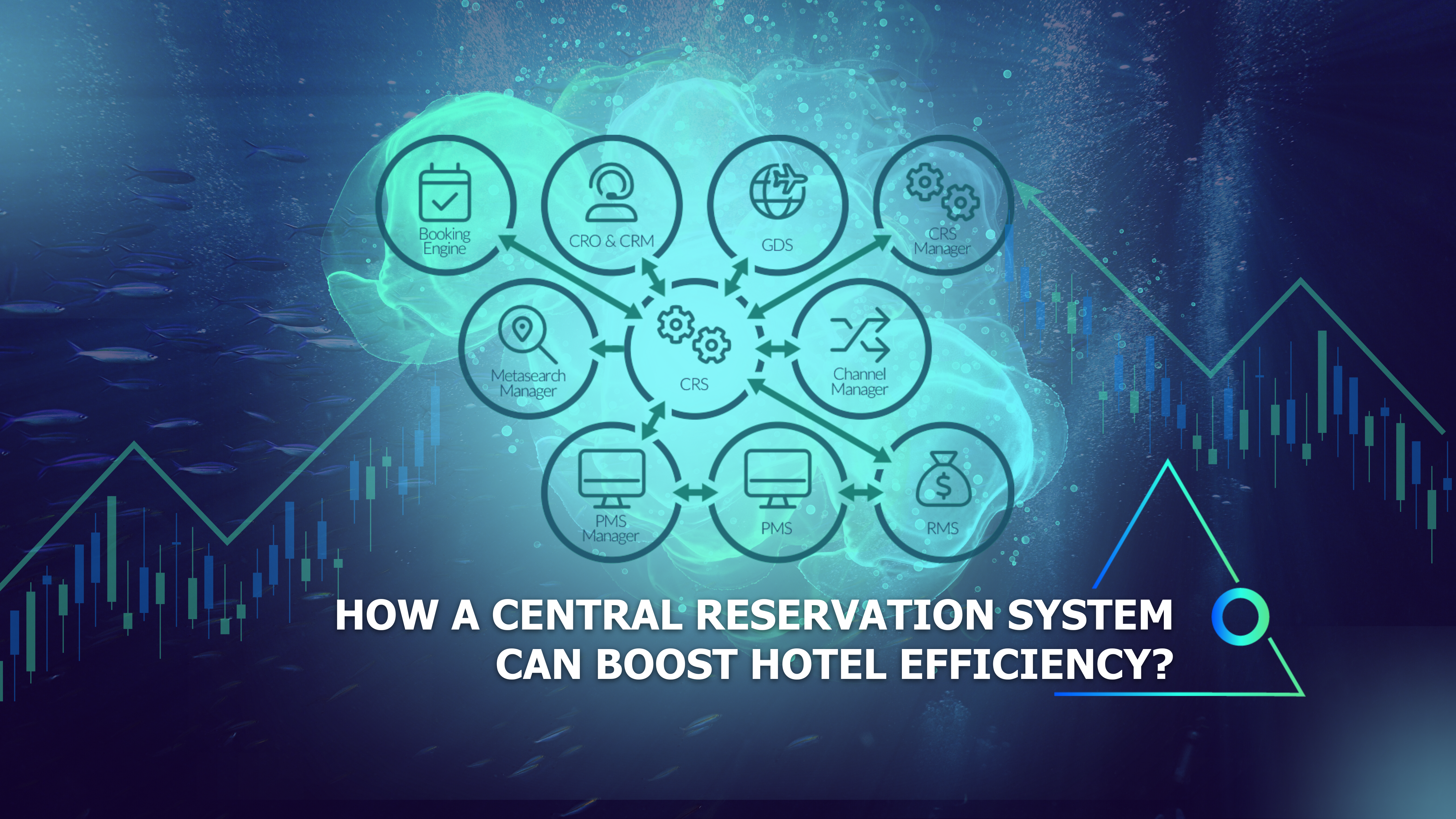
Boost Hotel Efficiency with a Central Reservation System (CRS)

Disruptive Trends & the Future of Hospitality

The Impact of Hotel CRM on Customer Loyalty
Choosing a Revenue Management System for Your Hotel

7 Ways Hospitality Technology Enhances Hotel Operations & Profitability