85
No. of Vendors
85
No. of Products
19
Verified Products
CHECKOUT OUR LATEST ARTICLE

Products (85)

Blastness - Channel Manager
by Blastness SpA

Vendor verified
AI Channel Manager
by HERA by Hotel Res Bot
Vendor verified-(1).jpg)
AxisRooms Channel Manager
by Hotelogix
Vendor verifiedAI Powered

HotelRunner Channel Manager
by HotelRunner
Vendor verified
Kwentra Channel Manager
by Kwentra
Vendor verified
NightsBridge Channel Manager
by NightsBridge
Vendor verified
RateTiger Channel Manager
by RateTiger
Vendor verified
The SiteMinder platform
by SiteMinder
Vendor verified
Smart Channel Manager
by Smarthotel
Vendor verifiedChannel Manager for Hotels
Channel Managers help hotels manage room availability, rates, and inventory across multiple booking channels from a centralized platform. What was once primarily focused on updating OTA inventory has evolved into a broader connectivity function supporting real-time updates, pricing consistency, operational efficiency, and commercial control.
Hotels are managing increasingly complex booking environments across OTAs, direct booking channels, wholesalers, metasearch platforms, and regional partners. Modern Channel Managers help hospitality teams reduce manual workflows, improve inventory accuracy, and maintain greater control across the wider booking ecosystem.
What is a Channel Manager?
A Channel Manager is a hospitality technology platform designed to synchronize hotel inventory, room availability, rates, and reservations across multiple booking channels in real time.
Channel Managers help hotels manage:
OTA connectivity
room inventory updates
rate synchronization
booking channel coordination
reservation flow management
availability accuracy
channel performance visibility
Modern Channel Managers increasingly support:
real-time inventory updates
automated booking coordination
multi-property management
rate parity monitoring
channel performance reporting
API-based connectivity
integration with broader commercial systems
The goal is to help hotels simplify channel operations while improving inventory accuracy, operational efficiency, and commercial visibility.
Purpose
The primary purpose of a Channel Manager is to centralize and automate hotel booking channel coordination across multiple sales platforms.
Channel Managers help hospitality teams:
update rates and availability in real time
reduce manual inventory tasks
minimize overbooking risks
improve booking channel efficiency
maintain pricing consistency
support broader sales strategies
centralize channel operations
As hotel booking ecosystems become more fragmented and fast-moving, Channel Managers play an increasingly important role in maintaining inventory control and booking accuracy.
Key features
Real-time inventory updates
Automatically updates room availability and inventory across connected booking channels.
Rate and pricing management
Helps maintain pricing consistency and synchronize rates across booking platforms.
Reservation synchronization
Automatically transfers reservation data between booking channels and operational systems.
Multi-channel booking management
Supports centralized coordination across OTAs, direct channels, wholesalers, and metasearch platforms.
Rate parity monitoring
Helps hotels monitor pricing consistency across connected booking channels.
Multi-property visibility
Supports centralized oversight across hotel groups and portfolios.
Reporting and channel analytics
Provides visibility into booking activity, channel performance, and booking trends.
Integration capabilities
Connects with PMS, CRS, RMS, booking engines, and commercial reporting systems.
How Channel Managers operate within the hotel tech stack
Channel Managers connect hotel inventory and booking workflows across operational and commercial systems.
The Channel Manager typically integrates with:
Property Management Systems (PMS)
Central Reservation Systems (CRS)
Revenue Management Systems (RMS)
booking engines
OTA platforms
metasearch channels
wholesaler networks
Business Intelligence (BI) platforms
This allows hotels to coordinate inventory, pricing, and reservation activity across multiple channels automatically.
For example:
PMS inventory updates can adjust availability across OTAs
RMS pricing changes can update channel rates automatically
reservations from external channels can flow directly into operational systems
BI platforms can analyze booking pace and channel performance
Modern Channel Managers increasingly support centralized booking coordination rather than functioning as simple inventory update tools.
Benefits
Improved inventory accuracy
Real-time updates reduce the risk of overbookings and availability mismatches.
Reduced manual workload
Automation minimizes repetitive rate and inventory management tasks.
Faster booking updates
Hotels can respond more quickly to pricing, demand, and availability changes.
Better pricing consistency
Rate synchronization helps reduce pricing discrepancies across channels.
Greater commercial visibility
Hotels gain clearer insight into booking trends and channel performance.
Support for multi-property operations
Hotel groups can centralize booking oversight across portfolios and brands.
Best fit for
Channel Managers are valuable across a wide range of hospitality environments, including:
hotels
resorts
boutique properties
serviced apartments
vacation rentals
branded hotel groups
multi-property operators
Typical users include:
revenue managers
distribution managers
commercial teams
reservations departments
hotel operations teams
Independent hotels often prioritize simplicity and OTA connectivity, while larger hotel groups may require advanced booking controls, centralized oversight, broader channel coverage, and enterprise-level reporting.
Selecting the right Channel Manager depends heavily on booking complexity, operational scale, connectivity requirements, and commercial strategy.
Channel Manager integrations and connected systems
Channel Managers rely heavily on integrations to support accurate inventory coordination and booking management.
Common integrations include:
Property Management Systems (PMS)
Provide room inventory, reservation status, and operational availability data.
Central Reservation Systems (CRS)
Support centralized reservation management and booking coordination.
Revenue Management Systems (RMS)
Enable dynamic pricing synchronization and revenue optimization strategies.
Booking engines
Support direct booking availability and reservation management.
OTA and metasearch platforms
Distribute inventory, rates, and reservation updates across external booking channels.
Business Intelligence (BI) platforms
Provide visibility into booking pace, channel performance, and revenue trends.
The quality, reliability, and speed of these integrations play a major role in Channel Manager performance and booking stability.
Key considerations when evaluating a Channel Manager
Integration reliability
Hotels should evaluate how reliably the platform updates inventory, reservations, and pricing across systems and channels.
Synchronization speed
Delays in updates can increase the risk of overbookings and pricing inconsistencies.
Channel coverage
Hotels should assess whether the platform supports the channels and regional partners relevant to their strategy.
Multi-property scalability
Hotel groups should evaluate centralized visibility and portfolio-wide booking management capabilities.
Reporting visibility
Strong reporting tools help hotels analyze booking pace, channel performance, and revenue trends.
Rate parity management
The platform should help maintain pricing consistency across connected booking channels.
Vendor support and onboarding
Booking disruptions can directly affect revenue, making implementation and support quality critical.
Common challenges and pitfalls
Delayed updates
Slow synchronization can create inventory mismatches, pricing discrepancies, and overbooking risks.
Weak PMS connectivity
Poor operational integrations can reduce inventory accuracy and workflow efficiency.
Limited channel coverage
Some platforms may not support important regional or niche booking channels.
Distribution dependency risks
Heavy dependence on third-party channels can reduce direct booking opportunities and margin control.
Inconsistent rate management
Poor synchronization can create pricing conflicts across booking platforms.
Connectivity downtime
Booking interruptions can directly affect reservation visibility and operational continuity.
Overcomplicated booking structures
Managing too many channels without a clear commercial strategy can create unnecessary complexity and reduced profitability.
What’s changed and trends to watch
The Channel Manager category has evolved significantly as hotel booking environments become more fragmented and data-driven.
Real-time booking expectations
Hotels increasingly expect near-instant updates across channels and systems.
API-first connectivity
The industry is shifting toward more flexible API-based connectivity infrastructure.
Greater focus on direct booking strategies
Hotels are balancing OTA exposure with stronger direct booking and channel profitability strategies.
CRS and Channel Manager convergence
Some platforms are increasingly combining reservation and booking coordination capabilities.
Automated inventory workflows
Hotels are placing greater emphasis on reducing manual inventory and pricing management.
Channel profitability analysis
Commercial teams increasingly evaluate channels based on profitability, not just booking volume.
Booking diversification
Hotels are expanding beyond traditional OTAs into regional platforms, metasearch, and alternative booking channels.
Final decision guidance
Channel Managers are no longer simply inventory synchronization tools. They are increasingly becoming a core part of hotel booking strategy, inventory coordination, and commercial visibility.
Hotels evaluating Channel Managers should look beyond channel count alone and assess:
integration reliability
synchronization speed
reporting visibility
scalability
operational stability
booking flexibility
long-term connectivity strategy
As hospitality booking environments become more dynamic and interconnected, Channel Managers play an increasingly important role in helping hotels maintain inventory accuracy, pricing consistency, and operational control across the wider booking ecosystem.
ExploreTECH helps hospitality teams evaluate Channel Managers through a more structured approach to discovery, comparison, and hospitality technology decision-making before any transaction takes place.
News (5)

How to choose the right RMS for your property
.png)
RateGain announces exclusive partnership with Aztech Digital to accelerate UNO VIVA’s expansion across Greece and Cyprus

7 Ways "Invisible Tech" is Boosting Hotel Profits

HotelRunner Recognized as Strategic Partner in Agoda Connectivity Partner Program Once Again
Blogs (5)

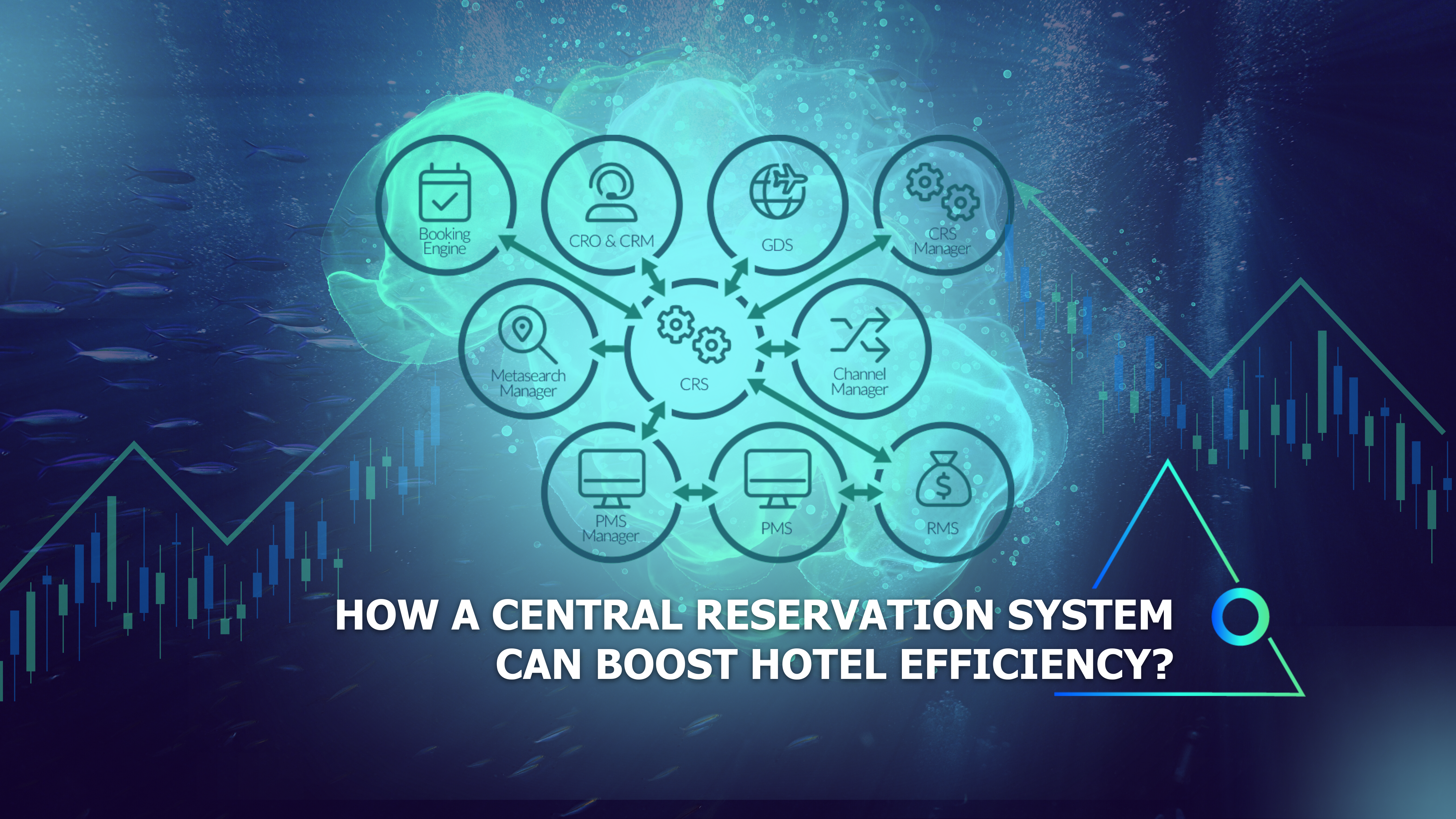
Boost Hotel Efficiency with a Central Reservation System (CRS)

Disruptive Trends & the Future of Hospitality

The Impact of Hotel CRM on Customer Loyalty
Choosing a Revenue Management System for Your Hotel

7 Ways Hospitality Technology Enhances Hotel Operations & Profitability