5
No. of Vendors
5
No. of Products
1
Verified Products
CHECKOUT OUR LATEST ARTICLE

Products (5)
AI Powered
Staff App
by NEORCHA

Vendor verified
Digital Workplace Software
by AgilityPortal

Unverified
HubEngage
by HubEngage
Unverified
Oak
by Oak
Unverified
Ziik
by Ziik
UnverifiedDigital Workplace and Employee Engagement Platforms for hotels
Hotel operations depend on a distributed, often multilingual, frequently shift-based workforce that may never sit in front of a desktop computer. Communicating operational updates, training new team members, managing schedules, and building the workplace culture that reduces turnover are all significantly harder in hospitality than in office-based environments. Traditional communication and HR tools designed for desk workers consistently fail in hotel operational contexts.
Digital Workplace and Employee Engagement Platforms give hotels the infrastructure to communicate with, train, schedule, and engage their workforce through mobile-first tools designed for operational environments. Modern platforms have evolved from basic internal communication tools into connected workforce management environments that integrate with HR and payroll systems and support the full employee lifecycle from onboarding through ongoing engagement and retention.
What are Digital Workplace and Employee Engagement Platforms for hotels?
Hotel
Digital
Workplace and Employee Engagement Platforms are technology solutions that provide
hotel operational teams with mobile-accessible tools for internal
communication, task management, training, scheduling, and engagement. They
replace the notice boards, printed briefings, and fragmented communication
channels that most hotels currently rely on with connected, measurable, and
mobile-first workforce management infrastructure.
Core
functions include:
•
Mobile-first internal communication and operations briefing
•
Digital task management and shift handover workflows
•
eLearning and training delivery for operational and compliance
content
•
Employee feedback, recognition, and engagement measurement
•
Integration with HR and payroll systems for workforce data
management
Why do Digital Workplace Platforms matter for hotels?
Staff
turnover is one of the most significant operational and financial challenges in
hospitality. The cost of recruiting, onboarding, and training replacement staff
consistently exceeds the investment in the engagement and development programs
that improve retention. Digital workplace platforms provide the infrastructure
to build the communication, recognition, and development culture that reduces
turnover.
•
Frontline staff turnover has direct operational and financial
costs:
recruitment and training costs for replacing a single operational team member
typically represent weeks of that employee's salary
•
Operational communication gaps create service inconsistencies: shift briefings that
rely on verbal handover or notice boards fail to reach all staff consistently,
creating service quality variability
•
Training compliance is difficult to manage for distributed
teams:
tracking mandatory training completion across multiple departments and shift
patterns requires digital infrastructure that paper-based processes cannot
provide
•
Employee recognition improves retention and performance: structured
recognition programs enabled by digital platforms have measurable impact on
staff engagement and intention to stay
What problems do Digital Workplace Platforms help solve?
•
Operational communication not reaching all shift workers: mobile communication
tools ensure briefings, updates, and operational changes reach every team
member regardless of shift pattern
•
Inconsistent training standards across departments and
properties:
digital learning platforms deliver consistent training content with completion
tracking across all staff categories
•
No structured feedback channel from frontline teams: employee voice tools
give operational staff a channel to raise concerns and suggestions that
informal management conversations cannot systematically capture
•
Manual shift handover processes losing critical information: digital handover
workflows create structured records of outstanding issues and operational notes
between shifts
•
Difficulty maintaining culture and engagement in distributed
teams:
digital recognition, communication, and community tools build engagement that
physical distance and shift patterns make difficult to maintain through
conventional management approaches
What capabilities should hotels expect?
•
Mobile app-based communication accessible without email or
desktop access
•
Digital task lists and shift handover documentation
•
eLearning platform with compliance training tracking and
certification management
•
Employee recognition and peer-to-peer appreciation tools
•
Engagement surveys and anonymous feedback channels
How do Digital Workplace Platforms fit into the hotel technology ecosystem?
•
HR and payroll systems: workforce data including employment status,
role, and department feeds platform access management and training compliance
reporting
•
Property management systems: PMS operational data can inform task
management and briefing content in digital workplace platforms
•
Helpdesk ticketing software: operational issues escalated from
shift handover workflows can connect with helpdesk ticketing for tracked
resolution
•
Document management systems (DMS): digital workplace
platforms can distribute current operational procedures and policy documents
from a connected DMS
Which hotel types benefit most?
•
Hotels with high staff turnover: where the retention
impact of structured engagement and recognition programs is most commercially
significant
•
Multi-property hotel groups: that need consistent operational
communication, training standards, and culture across geographically
distributed teams
•
Hotels with large multilingual workforces: where digital
platforms with multilingual content delivery overcome the communication
barriers that English-only briefings create
•
Properties undergoing operational improvement programs: where structured task
management and consistent communication are foundational to delivering
operational change
What should hotels evaluate before selecting a platform?
•
Mobile usability for frontline staff: the platform must
work intuitively on personal smartphones without requiring desktop access or
email addresses
•
Multilingual content support: hotels with diverse
workforces need training and communication content delivered in staff preferred
languages
•
Training compliance tracking: mandatory
certification and training completion must be trackable by individual,
department, and property
•
Integration with HR systems: employee data management should
connect with existing HR and payroll infrastructure
•
Engagement measurement capability: survey tools,
recognition analytics, and feedback reporting must provide actionable insights
rather than just data collection
What common mistakes should hotels avoid?
•
Requiring email addresses for platform access: many hotel
operational staff do not have work email addresses and platforms that require
them exclude the frontline teams they are designed to serve
•
Top-down communication only without two-way feedback: platforms used purely
for management-to-staff broadcast communication miss the engagement and voice
capability that most significantly affects retention
•
Insufficient multilingual content investment: deploying a digital
workplace platform with English-only content in a multilingual workforce
creates the same communication gaps as the notice boards it was meant to
replace
•
No management adoption alongside frontline deployment: digital workplace
platforms require active participation from line managers and department heads
to build the communication habits that drive adoption
How have Digital Workplace and Employee Engagement Platforms evolved?
Hospitality
workforce technology has evolved from paper-based notice boards and email
communication into mobile-first platforms designed for operational
environments. The recognition that frontline hotel staff are underserved by
office-centric communication tools drove the development of
hospitality-specific workforce platforms from around 2016 onwards. By 2025,
platforms combining communication, training, recognition, and scheduling within
a single mobile-first environment had become widely adopted across mid-scale
and upscale hotel groups.
What trends are shaping Digital Workplace and Employee Engagement Platforms?
•
AI-powered learning personalization: adaptive learning
platforms are beginning to tailor training content to individual staff learning
patterns and knowledge gaps
•
Wellbeing and mental health integration: employee wellbeing
tools are becoming standard components of hospitality digital workplace
platforms
•
Workforce analytics for retention prediction: platforms are
incorporating engagement signal analysis to identify staff at risk of leaving
before they resign
•
Integration with scheduling and workforce management: digital workplace
communication is merging with shift scheduling and labor management tools into
unified workforce platforms
What impact can Digital Workplace Platforms deliver?
•
Reduced staff turnover through structured recognition, feedback,
and development programs
•
Improved operational consistency through reliable communication
reaching all shift workers
•
Training compliance assurance through digital delivery and
completion tracking
•
Better management visibility into team engagement and
operational issues
What should hotels prioritize when comparing providers?
Hotels
evaluating Digital Workplace and Employee Engagement Platforms should look
beyond communication tools and assess how effectively a solution reaches
frontline staff on mobile devices, tracks training compliance, measures
engagement, and integrates with HR infrastructure.
•
Mobile-first accessibility for frontline staff: the platform must
work without email access on personal devices
•
Multilingual content delivery: language support must
cover the primary languages of the hotel's workforce
•
Training compliance tracking: certification and
mandatory training completion must be manageable by department and individual
• Engagement measurement and feedback: two-way communication and sentiment tracking are the capabilities most directly linked to retention impact
Blogs (5)

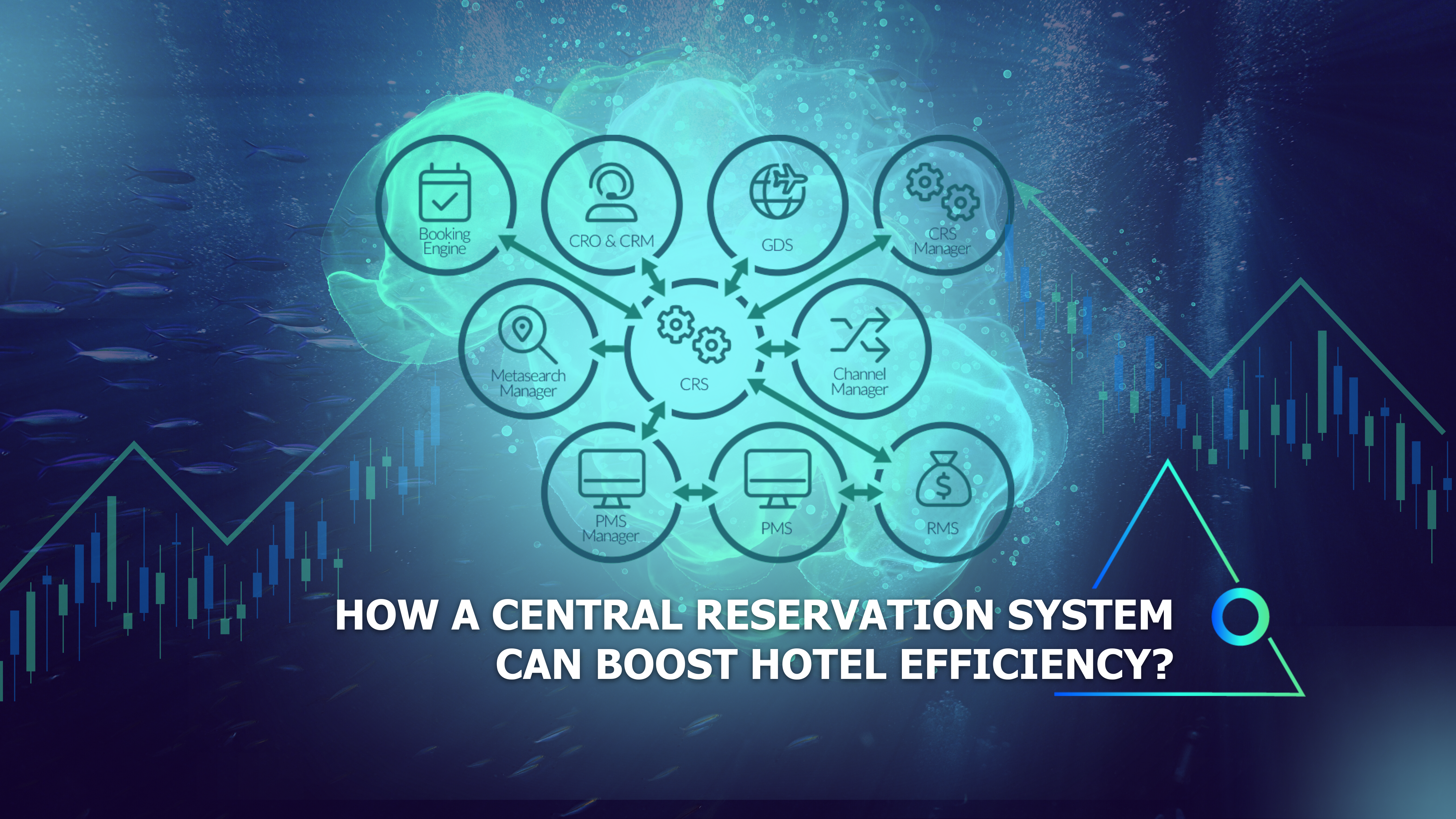
Boost Hotel Efficiency with a Central Reservation System (CRS)
Disruptive Trends & the Future of Hospitality
The Impact of Hotel CRM on Customer Loyalty
Choosing a Revenue Management System for Your Hotel
7 Ways Hospitality Technology Enhances Hotel Operations & Profitability