7
No. of Vendors
8
No. of Products
6
Verified Products
CHECKOUT OUR LATEST ARTICLE
Products (8)
Hotel Website Design
by Access Hospitality, The Access Group's hospitality division

Vendor verified
Hotel Digital Marketing
by Access Hospitality, The Access Group's hospitality division
Vendor verifiedAI Powered

Blastness - Digital Marketing
by Blastness
Vendor verified
Triptease Email
by Triptease
Vendor verifiedAI Powered

Campaign Manager
by Brandnamic
Vendor verified
SITA Marketing
by SITA Egypt

Partially verified
Leonardo Digital Marketing Services
by Leonardo

Unverified
Digital marketing for hotels
by Myhotelshop
UnverifiedMarketing Services for Hotels
Technology alone does not fill hotel rooms. The most sophisticated revenue management system, booking engine, and CRM infrastructure delivers limited commercial results without a coherent marketing strategy that drives qualified traffic, converts it effectively, and retains the guests it acquires.
Hospitality Marketing Services encompass the specialist agencies, consultants, and managed service providers that help hotels plan and execute marketing strategy across digital, content, paid media, social, email, and direct booking channels. Unlike technology platforms, marketing services provide the human expertise, creative capability, and strategic direction that hospitality teams often cannot build entirely in-house.
What are Hospitality Marketing Services?
Hospitality
Marketing Services are specialist agencies and managed service providers that help
hotels develop and execute marketing strategy across digital and traditional
channels. These services range from full-service agency relationships covering
strategy, creative, media, and analytics, to specialist providers focused on
specific disciplines such as SEO, paid search, social media, email marketing,
or content production.
Core
service areas include:
•
Digital marketing strategy and campaign management
•
Search engine optimization (SEO) and paid search (PPC)
•
Social media management and content creation
•
Email marketing and CRM campaign execution
•
Direct booking strategy and conversion optimization
Why do marketing services matter for hotels?
Marketing
in hospitality has become significantly more complex. Guest acquisition now
spans organic search, paid media, metasearch, social platforms, email, and
direct booking channels simultaneously, each requiring specialist expertise to
manage effectively. Most hotel marketing teams are too small to build deep
capability across all of these disciplines internally, creating a structural
gap that specialist marketing services are designed to fill.
•
OTA dependency is a marketing problem as much as a technology
one:
reducing commission costs requires building direct booking audiences that take
sustained marketing investment and expertise to develop
•
Digital marketing requires specialist skills that are
expensive to hire internally: SEO, paid media, and conversion optimization
are disciplines with steep learning curves and fast-moving best practices
•
Content quality directly affects brand perception and booking
conversion:
professional content production across photography, video, copywriting, and
social media requires creative capability that most hotel teams lack in-house
•
Marketing technology only performs when actively and expertly
managed:
CRM platforms, booking engines, and loyalty programs require ongoing campaign
management that maximizes their commercial return
What problems do marketing services help hotels solve?
•
Overdependence on OTA channels for guest acquisition: specialist direct
booking marketing builds the owned audience and conversion capability that
reduces third-party commission costs over time
•
Weak organic search visibility: hotels that do not
actively invest in SEO are increasingly invisible to guests searching for
accommodation without brand intent
•
Underperforming paid media campaigns: poorly structured or
unoptimized PPC and metasearch campaigns consume budget without delivering
competitive cost-per-acquisition
•
Inconsistent brand and content presence: fragmented social
media, outdated website content, and inconsistent visual identity reduce the
brand trust that drives direct booking conversion
•
CRM and email campaigns that fail to convert: guest databases with
low engagement rates typically reflect poor segmentation, weak content, and
infrequent optimization
What service capabilities should hotels evaluate?
Hospitality
marketing service providers vary significantly in breadth, depth, and
hospitality-specific expertise. Hotels should assess providers against the
specific commercial objectives they need external support to achieve.
•
Digital strategy development and channel planning
•
SEO including technical, content, and link-building disciplines
•
Paid search and metasearch campaign management
•
Social media strategy, content production, and community
management
•
Email marketing, CRM campaign management, and audience
segmentation
How do marketing services connect with hotel technology?
Effective
hospitality marketing requires close integration between the service provider
and the hotel's technology stack. Marketing agencies that understand how to
work with booking engines, CRM platforms, PMS data, and analytics tools deliver
significantly stronger commercial results than those that operate in isolation
from the hotel's operational systems.
•
Booking engines: marketing campaigns that drive traffic to
poorly optimized booking flows waste budget. Agencies should assess and improve
conversion alongside campaign execution
•
CRM platforms: email and retention campaigns depend on clean
guest data, effective segmentation, and platform expertise that specialist
providers bring
•
Analytics and BI tools: marketing performance measurement requires
consistent attribution, tracking setup, and reporting integration with the
hotel's commercial intelligence environment
Which hotel types benefit most?
•
Independent hotels: benefit most from specialist marketing
support that provides the strategic expertise and execution capability that
in-house teams typically cannot sustain alone
•
Boutique and lifestyle properties: gain particular value
from content and brand storytelling services that translate their unique
identity into compelling digital presence
•
Hotels with high OTA dependency: benefit from direct
booking marketing strategies that systematically shift acquisition toward owned
channels
•
Hotel groups scaling marketing operations: benefit from agency
partnerships that provide consistent execution across multiple properties with
centralized strategy and reporting
What should hotels evaluate before selecting a marketing service provider?
•
Hospitality sector expertise: marketing agencies
with deep hospitality experience understand the commercial dynamics,
seasonality, and guest behavior patterns that generic agencies do not
•
Channel depth versus breadth: some hotels need a
full-service agency relationship while others need deep specialist expertise in
a specific channel such as SEO or paid media
•
Technology platform familiarity: providers should be
experienced with the hotel's booking engine, CRM, and analytics stack to avoid
integration gaps
•
Reporting transparency and accountability: marketing service
providers should produce clear attribution reporting that connects campaign
investment with direct booking revenue outcomes
•
Commercial alignment: the best agency relationships are structured
around shared revenue objectives, not just campaign delivery metrics
What common mistakes should hotels avoid?
•
Selecting a generalist agency without hospitality experience: hospitality marketing
has specific commercial dynamics and guest behavior patterns that generic
agency experience does not prepare providers to navigate effectively
•
Separating marketing strategy from technology decisions: booking engine
performance, CRM capability, and direct booking infrastructure must be assessed
and improved alongside marketing investment
•
Measuring success by vanity metrics: social followers,
impressions, and email open rates are not commercial outcomes. Direct booking
revenue, cost per acquisition, and OTA share shift are the metrics that matter
•
Underinvesting in content: strong SEO, social media presence, and
booking conversion all depend on high-quality content that most hotels
consistently underinvest in
How have Marketing Services evolved?
Hospitality
marketing services have shifted from broadcast advertising and print media to
data-driven digital marketing disciplines. The growth of OTA platforms in the
early 2000s initially reduced hotel investment in direct marketing, but rising
commission costs have driven a significant resurgence in direct booking
strategy. By 2025, AI-assisted content creation, personalization at scale, and
attribution modeling had transformed what specialist hospitality marketing
agencies could deliver.
What trends are shaping Marketing Services?
•
AI-assisted content creation and personalization: generative AI is
accelerating content production and enabling more personalized marketing at
scale, changing the economics of hospitality content strategy
•
First-party data strategy: as third-party cookies decline,
hospitality marketers are investing in owned audience development and direct
data collection strategies
•
Metasearch and direct booking competition: hotels are investing
more in Google Hotel Ads and metasearch management as a direct channel
acquisition strategy
•
Video and short-form content dominance: social platforms
continue to prioritize video content, driving demand for specialist hospitality
video production and strategy services
What impact can marketing services deliver?
•
Reduced OTA dependency through systematic direct booking
audience development
•
Lower cost per acquisition through optimized paid media and SEO
investment
•
Improved booking conversion through landing page, content, and
user experience optimization
•
Stronger brand presence and guest acquisition through consistent
content and social strategy
What should hotels prioritize when comparing marketing service providers?
Hotels
evaluating marketing service providers should look beyond creative portfolio
and assess how effectively a provider connects marketing investment with
measurable direct booking revenue outcomes.
•
Hospitality sector track record: demonstrated
commercial results for comparable hotel clients is the most reliable indicator
of likely performance
•
Channel expertise alignment: the provider's strengths should match
the hotel's most significant marketing gaps and commercial priorities
•
Technology integration capability: assess familiarity
with the hotel's booking engine, CRM, and analytics stack
•
Reporting and attribution quality: commercial
accountability requires clear connection between marketing spend and booking
revenue
News (5)

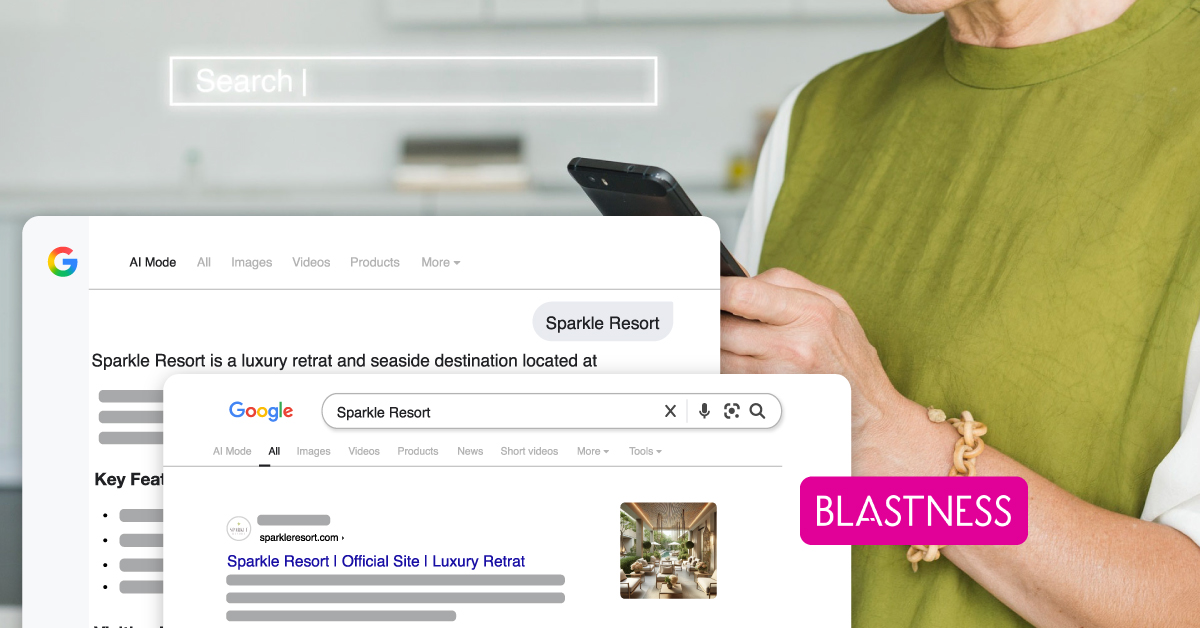
Expectations vs. Reality: Google, AI, and the real engine behind direct bookings
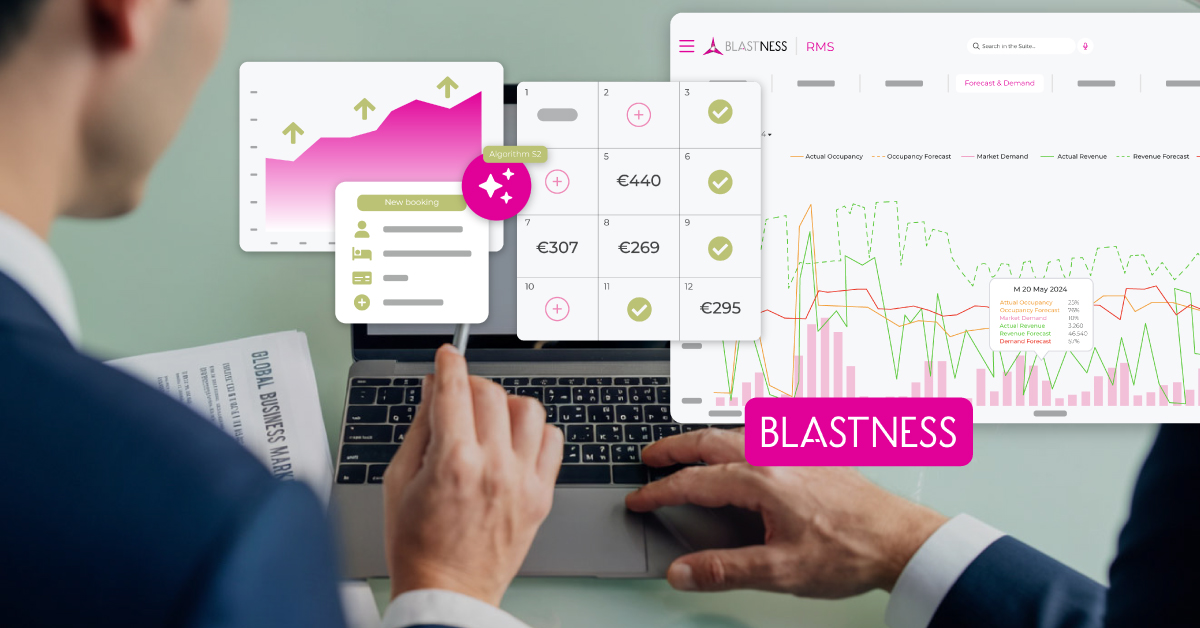
How to choose the right RMS for your property
7 Ways "Invisible Tech" is Boosting Hotel Profits

Harnessing AI to transform hotel revenue and guest engagement
Blogs (5)
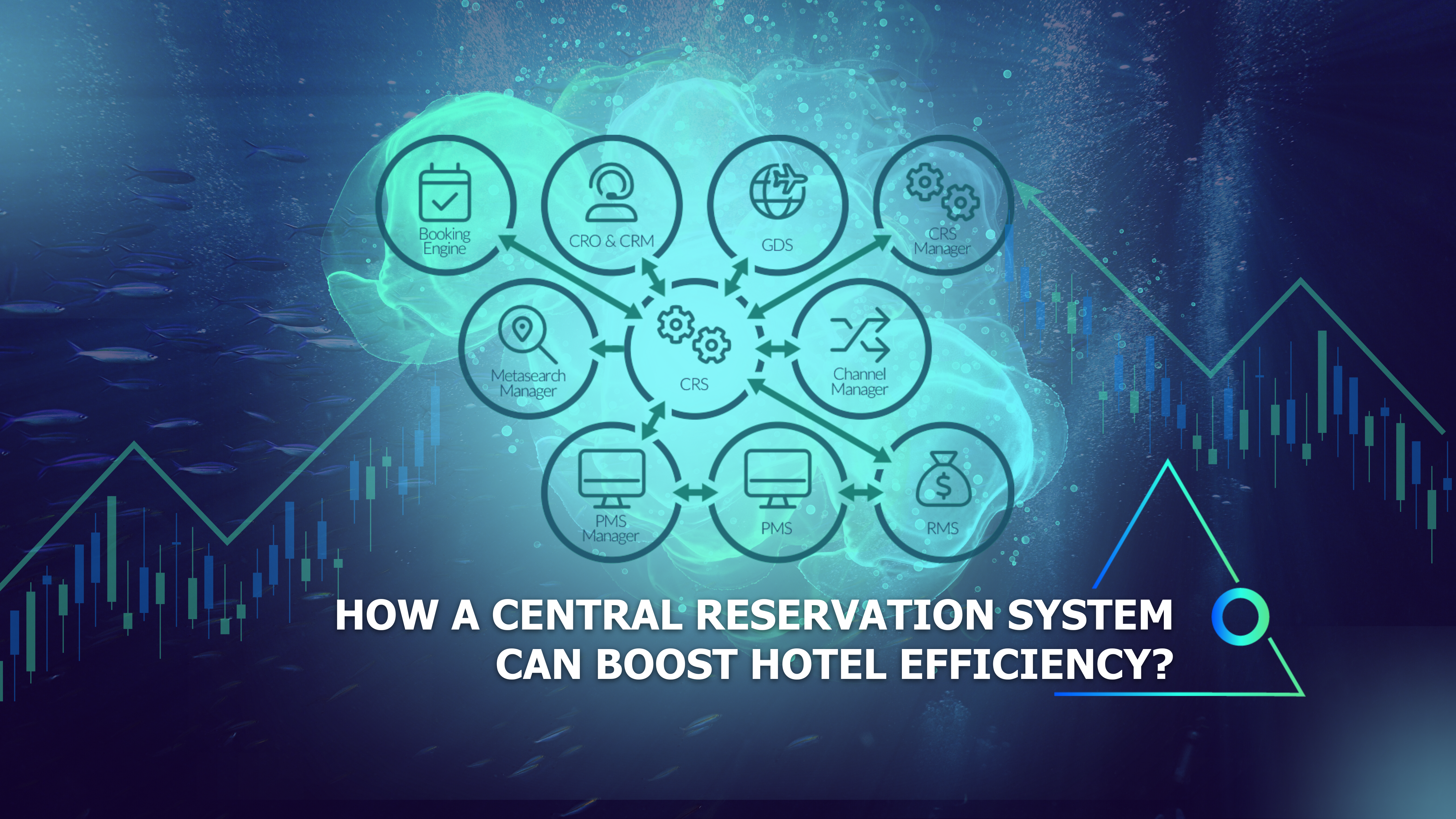
Boost Hotel Efficiency with a Central Reservation System (CRS)

Disruptive Trends & the Future of Hospitality

The Impact of Hotel CRM on Customer Loyalty

Choosing a Revenue Management System for Your Hotel
7 Ways Hospitality Technology Enhances Hotel Operations & Profitability