categorybusiness-intelligencemarket-intelligence-tools
Its all about numbers:

13

No. of Vendors

14

No. of Products

6

Verified Products

CHECKOUT OUR LATEST ARTICLE

Meet our Experts

Li Hawkins

Project management & innovation
Gain a competitive edge with Market Intelligence Tools! Schedule a free consultation with our expert advisor today and discover how data-driven insights can elevate your ...

Market Intelligence Tools for Hotels

Market Intelligence Tools help hotels monitor competitor activity, market trends, pricing movements, consumer behavior, and commercial performance across the hospitality landscape. What was once primarily focused on competitor rate tracking has evolved into a broader commercial intelligence category supporting pricing strategy, demand forecasting, guest sentiment analysis, and market positioning.

As hospitality markets become more dynamic and data-driven, hotels are placing greater emphasis on real-time visibility, faster commercial decision-making, and a deeper understanding of both competitor activity and changing guest behavior.

Try out a quick comparison

Select Category

Select Product

What are Market Intelligence Tools?

Market Intelligence Tools are hospitality technology platforms designed to collect, analyze, and visualize market, pricing, competitor, and consumer data from multiple sources.

These platforms help hotels monitor:

  • competitor pricing and promotions

  • market demand trends

  • occupancy and booking patterns

  • guest sentiment and reviews

  • pricing positioning

  • local market activity

  • consumer behavior trends

  • commercial performance indicators

Modern Market Intelligence platforms often support:

  • real-time market monitoring

  • competitor benchmarking

  • sentiment and review analysis

  • demand forecasting

  • pricing analysis

  • customizable reporting

  • market alerts and notifications

  • multi-property commercial visibility

The goal is to help hotels make faster, more informed commercial decisions while improving pricing strategy, market positioning, and guest experience performance.

Purpose

The primary purpose of Market Intelligence Tools is to improve visibility into market conditions, competitor activity, and consumer trends.

These platforms help hospitality teams:

  • monitor market changes

  • analyze competitor positioning

  • improve pricing strategies

  • support revenue optimization

  • understand guest sentiment

  • identify commercial opportunities

  • improve forecasting accuracy

  • strengthen strategic decision-making

As hospitality operations become more commercially connected and data-driven, Market Intelligence platforms are becoming an increasingly important part of revenue, marketing, and commercial operations.

Key features

Competitor benchmarking

Provides visibility into competitor pricing, positioning, promotions, and commercial activity.

Real-time market monitoring

Tracks pricing changes, market conditions, and demand activity across booking channels and competitors.

Guest sentiment and review analysis

Monitors online reviews, ratings, and consumer feedback trends.

Demand forecasting

Uses market and historical data to support pricing and inventory planning.

Reporting and commercial analytics

Provides visibility into pricing trends, market positioning, and performance metrics.

Market alerts and notifications

Notifies teams about major pricing shifts, market changes, competitor activity, or local demand drivers.

Integration capabilities

Connects with RMS, PMS, CRM, Channel Managers, BI platforms, and commercial reporting systems.

How Market Intelligence Tools operate within the hotel tech stack

Market Intelligence Tools connect commercial, pricing, and consumer insights with broader hospitality operations and revenue workflows.

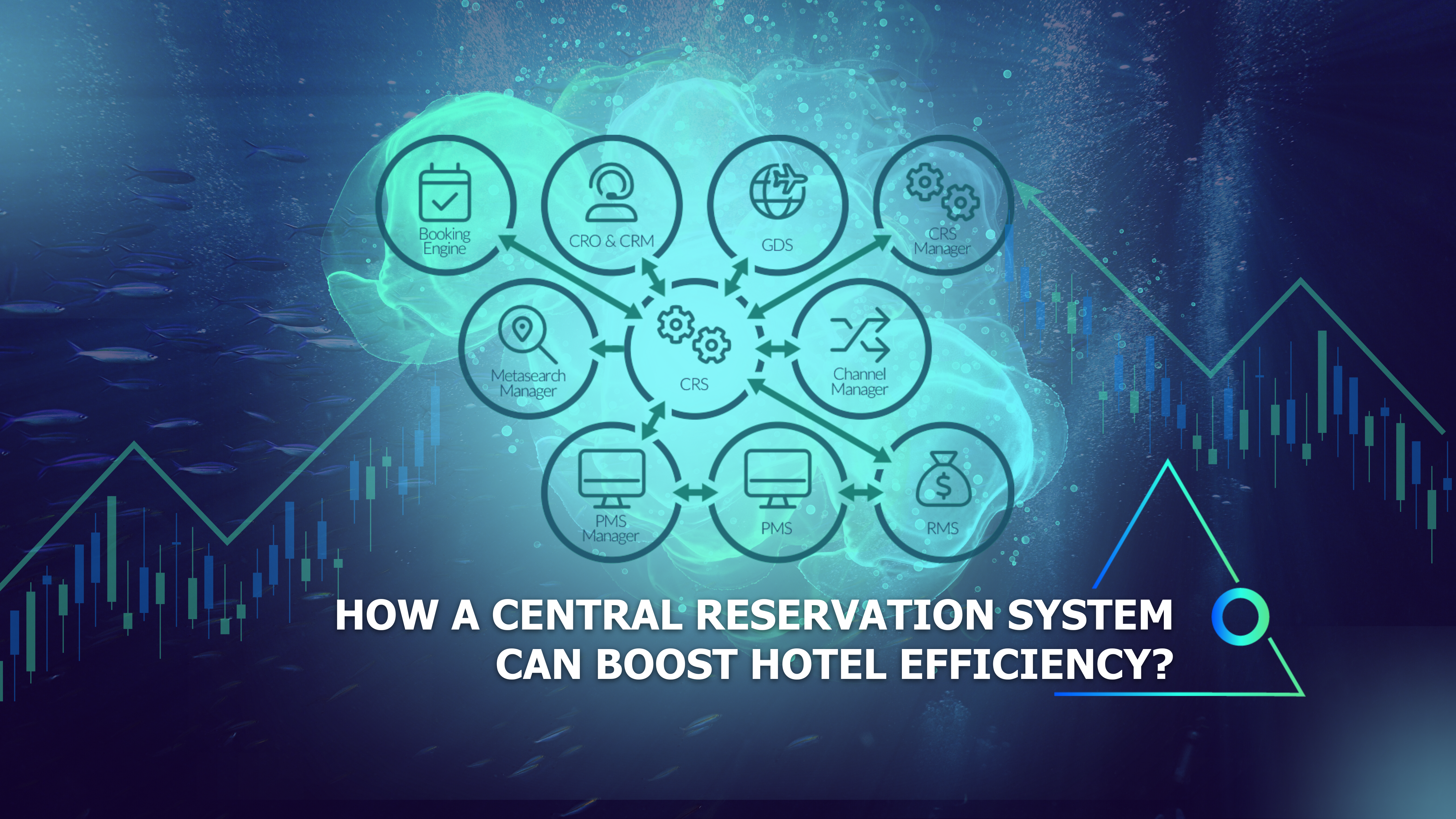
These platforms typically integrate with:

  • Revenue Management Systems (RMS)

  • Property Management Systems (PMS)

  • Customer Relationship Management (CRM) platforms

  • Channel Managers

  • social listening and review platforms

  • commercial reporting systems

  • Business Intelligence (BI) platforms

This allows hotels to combine market intelligence with operational, pricing, and guest experience data.

For example:

  • RMS platforms can use market insights to support pricing strategies

  • CRM systems can combine guest sentiment with guest behavior data

  • BI platforms can analyze commercial performance and market trends

  • review monitoring tools can help identify guest satisfaction patterns

Modern Market Intelligence platforms increasingly function as broader commercial visibility tools rather than standalone competitor monitoring systems.

Benefits

Improved market visibility

Hotels gain clearer insight into competitor activity, pricing trends, and market conditions.

Better commercial decision-making

Real-time insights help teams respond more quickly to market changes and opportunities.

Stronger pricing strategies

Hotels can align pricing decisions more effectively with market demand and competitor positioning.

Enhanced guest insight

Sentiment analysis and review monitoring help hotels understand guest expectations and experience trends.

Improved forecasting accuracy

Market data helps support more informed demand planning and revenue forecasting.

Greater commercial awareness

Hotels can identify emerging market shifts, local demand drivers, and competitor movements more effectively.

Best fit for

Market Intelligence Tools are valuable across:

  • hotels

  • resorts

  • branded hotel groups

  • boutique hotels

  • multi-property operators

  • enterprise hospitality portfolios

Typical users include:

  • revenue managers

  • commercial teams

  • marketing departments

  • hotel leadership teams

  • distribution managers

  • guest experience teams

Independent hotels may prioritize competitor visibility and pricing analysis, while larger hotel groups often require broader forecasting capabilities, multi-property oversight, sentiment analysis, and centralized reporting visibility.

Selecting the right Market Intelligence platform depends heavily on commercial strategy, operational scale, reporting requirements, and market complexity.

Market Intelligence integrations and connected systems

Market Intelligence Tools rely heavily on integrations to support commercial visibility and decision-making.

Common integrations include:

Revenue Management Systems (RMS)

Support pricing optimization and forecasting strategies.

Property Management Systems (PMS)

Provide occupancy, reservation, and operational performance data.

Customer Relationship Management (CRM) platforms

Support guest analysis, personalization, and sentiment visibility.

Channel Managers

Provide pricing and distribution visibility across booking channels.

Social listening and review platforms

Monitor guest reviews, ratings, and public sentiment trends.

Business Intelligence (BI) platforms

Support broader commercial reporting and operational analysis.

The quality and reliability of these integrations play an important role in reporting accuracy and commercial effectiveness.

Key considerations when evaluating Market Intelligence Tools

Data quality and accuracy

Hotels should evaluate how reliably the platform captures pricing, market, and sentiment data.

Market coverage

The platform should support the competitors, regions, and booking channels relevant to the hotel’s strategy.

Reporting and analytics visibility

Strong reporting tools help hotels analyze trends, performance, and market positioning.

Guest sentiment capabilities

Hotels should assess how effectively the platform monitors reviews and consumer feedback.

Integration quality

Reliable connectivity with RMS, PMS, CRM, and reporting systems is essential.

Multi-property scalability

Hotel groups should evaluate centralized commercial visibility across portfolios.

Workflow usability

Commercial teams rely heavily on fast access to clear and actionable market insights.

Common challenges and pitfalls

Incomplete market visibility

Limited data coverage can reduce the accuracy of pricing and commercial decisions.

Overreliance on competitor activity

Hotels should avoid reacting to competitors without considering their own positioning and operational realities.

Weak sentiment interpretation

Review and guest feedback data require context and operational understanding.

Disconnected reporting environments

Poor integration quality can limit commercial visibility and workflow efficiency.

Data overload

Too much reporting complexity can reduce usability and decision-making clarity.

Limited strategic application

Some hotels collect market data without fully applying insights operationally or commercially.

What’s changed and trends to watch

The Market Intelligence category continues evolving as hospitality businesses place greater emphasis on real-time commercial visibility and data-driven strategy.

Greater focus on commercial intelligence

Hotels are moving beyond simple competitor tracking toward broader market analysis and strategic visibility.

Real-time market responsiveness

Commercial teams increasingly expect faster access to pricing and demand insights.

AI-supported analysis

AI is beginning to support forecasting, sentiment analysis, anomaly detection, and commercial recommendations.

Guest sentiment integration

Hotels are placing greater emphasis on combining pricing intelligence with guest feedback visibility.

Broader commercial ecosystems

Market Intelligence platforms are becoming more closely connected with RMS, CRM, BI, and revenue management workflows.

Multi-property commercial governance

Hotel groups increasingly require centralized market visibility across portfolios and regions.

Final decision guidance

Market Intelligence Tools are no longer simply competitor monitoring platforms. They are increasingly becoming part of broader commercial intelligence and strategic decision-making across hospitality operations.

Hotels evaluating Market Intelligence platforms should look beyond pricing visibility alone and assess:

  • data quality

  • reporting visibility

  • sentiment analysis capabilities

  • integration quality

  • scalability

  • workflow usability

  • long-term commercial fit

As hospitality markets become more competitive and data-driven, Market Intelligence Tools play an increasingly important role in helping hotels improve commercial visibility, strengthen decision-making, and respond more effectively to changing market conditions.

ExploreTECH helps hospitality teams evaluate Market Intelligence Tools through a more structured approach to discovery, comparison, and hospitality technology decision-making before any transaction takes place.