61
No. of Vendors
63
No. of Products
21
Verified Products
CHECKOUT OUR LATEST ARTICLE

Products (63)
AI Powered

Customer Relationship Management & Loyalty
by Access Hospitality, The Access Group's hospitality division

Vendor verified
Blastness - CRM
by Blastness SpA
Vendor verifiedCendyn B2B Sales
by Cendyn
Vendor verifiedAI Powered
Cendyn CRM
by Cendyn
Vendor verifiedAI Powered

360° - CRM & Central Data Platform
by dailypoint™ - The CDP for CRM & Loyalty
Vendor verified
Amadeus Guest Management
by Amadeus
Vendor verifiedAI Powered

CRM & Guest Journey
by BookingWhizz
Vendor verifiedAI Powered

Hospitality Apps
by Brandnamic
Vendor verified
D-EDGE - Central Data management
by D-EDGE
Vendor verifiedCustomer Relationship Management (CRM) systems help hotels centralize guest data, improve communication, and deliver more personalized guest experiences. What was once primarily a marketing and guest database tool has evolved into a broader guest intelligence platform supporting loyalty, segmentation, automation, personalization, and commercial strategy.
As guest expectations become more personalized and data-driven, CRM platforms are evolving from simple communication tools into centralized systems that help hospitality teams strengthen guest relationships, improve retention, and support more connected guest engagement across the journey.
What is a Customer Relationship Management (CRM) System?
A Customer Relationship Management (CRM) system is a hospitality technology platform designed to centralize guest information, manage customer interactions, and support personalized communication across the guest journey.
CRM platforms help hotels manage:
guest profiles and stay history
communication preferences
loyalty activity
booking behavior
engagement and spending patterns
Modern hospitality CRM systems increasingly support:
guest segmentation
campaign management
automated communication
personalization workflows
loyalty strategies
reporting and analytics
AI-supported engagement recommendations
The goal is to help hotels strengthen guest relationships while improving retention, personalization, and long-term guest value.
Purpose
The primary purpose of a CRM system is to help hotels create more connected, personalized, and data-driven guest experiences.
CRM platforms help hospitality teams:
centralize guest data
improve communication
automate engagement workflows
support direct booking strategies
strengthen loyalty and retention
improve segmentation and targeting
gain better visibility into guest behavior
As hospitality technology environments become more connected, CRM systems increasingly act as a bridge between guest intelligence, operations, and commercial strategy.
Key features
Guest profile management
Centralizes guest preferences, stay history, loyalty activity, and communication data.
Segmentation and targeting
Groups guests based on behavior, booking activity, demographics, or engagement patterns.
Campaign management
Supports email, SMS, and multi-channel communication campaigns.
Automated communication workflows
Automates pre-stay, in-stay, and post-stay communication.
Loyalty and retention tools
Supports guest retention, loyalty engagement, and repeat booking strategies.
Personalization capabilities
Enables more tailored offers, messaging, and guest experiences.
Reporting and analytics
Provides visibility into campaign performance, guest engagement, and customer value.
Multi-property guest recognition
Supports centralized guest visibility across hotel groups and portfolios.
Integration capabilities
Connects CRM workflows with PMS, RMS, booking engines, guest messaging, and BI systems.
How CRM systems operate within the hotel tech stack
CRM systems collect and organize guest data from across the hospitality technology environment.
The CRM typically integrates with:
Property Management Systems (PMS)
booking engines
guest messaging platforms
Revenue Management Systems (RMS)
loyalty platforms
Business Intelligence (BI) systems
guest apps and digital check-in tools
This allows hotels to create more unified guest profiles and support connected communication strategies.
For example:
booking activity updates guest profiles automatically
stay history supports segmentation and personalization
guest preferences inform communication campaigns
loyalty activity supports retention strategies
Modern CRM systems increasingly function as guest intelligence platforms rather than standalone marketing tools.
Benefits
Improved guest personalization
Hotels can deliver more relevant communication, offers, and experiences based on guest behavior and preferences.
Stronger guest relationships
Centralized guest data supports more consistent and connected guest interactions.
Better direct booking strategies
CRM platforms support retention and direct engagement initiatives that reduce dependency on third-party channels.
Increased guest loyalty and retention
Personalized communication and loyalty strategies help encourage repeat business.
Improved marketing efficiency
Automation and segmentation improve campaign targeting and reduce manual workflows.
Better visibility into guest behavior
Hotels gain deeper insight into engagement patterns, booking activity, and guest preferences.
Best fit for
CRM systems are valuable across a wide range of hospitality environments, including hotels, resorts, boutique properties, serviced apartments, and multi-property hotel groups.
Typical users include:
marketing teams
loyalty and guest experience teams
commercial and revenue teams
operations leadership
Boutique hotels may prioritize personalized engagement and simplicity, while larger hotel groups often require centralized guest profiles, advanced segmentation, automation, and enterprise-level visibility.
CRM integrations and connected systems
CRM platforms rely heavily on integrations to support unified guest intelligence and connected communication workflows.
Common integrations include:
Property Management Systems (PMS)
Provide reservation, guest profile, and stay history data.
Revenue Management Systems (RMS)
Support segmentation, guest value analysis, and commercial coordination.
Booking engines and websites
Capture direct booking activity and guest interaction data.
Loyalty platforms
Support guest recognition and retention strategies.
Guest messaging platforms
Enable personalized communication across the guest journey.
Business Intelligence (BI) systems
Provide reporting, performance analysis, and customer insights.
The quality and maturity of these integrations play a major role in CRM effectiveness and long-term value.
Key considerations when evaluating a CRM
Unified guest profile capabilities
Hotels should evaluate how effectively the CRM centralizes and structures guest data across systems and properties.
Integration maturity
Strong PMS, booking engine, messaging, and BI integrations are critical for accurate guest intelligence and workflow automation.
Segmentation flexibility
The CRM should support dynamic guest segmentation based on behavior, preferences, and engagement patterns.
Personalization capabilities
Hotels should assess how effectively the system supports tailored communication and guest experiences.
Multi-property visibility
Hotel groups should evaluate centralized guest recognition and portfolio-wide visibility.
Privacy and consent management
CRM systems should support evolving privacy and data protection requirements.
Common challenges and pitfalls
Fragmented guest data
Disconnected systems can create incomplete or duplicated guest profiles.
Weak PMS synchronization
Poor integration quality can reduce data accuracy and personalization effectiveness.
Treating CRM only as marketing software
Modern CRM systems increasingly influence operations, loyalty, guest experience, and commercial strategy.
Overcomplicated segmentation
Complex workflows can reduce adoption and operational efficiency.
Lack of personalization strategy
Technology alone does not guarantee meaningful guest engagement.
Privacy and consent risks
Hotels must manage guest data responsibly and maintain compliance with privacy regulations.
What’s changed and trends to watch
The hospitality CRM category has evolved significantly in recent years.
Greater focus on first-party data
Hotels are placing increased emphasis on owning and managing guest relationships directly.
AI-driven personalization
AI is increasingly supporting segmentation, communication timing, guest recommendations, and engagement strategies.
CRM and CDP convergence
The boundaries between CRM platforms and Customer Data Platforms (CDPs) are becoming increasingly interconnected.
Guest journey orchestration
Hotels are focusing more heavily on connected communication across pre-stay, in-stay, and post-stay experiences.
Real-time guest engagement
CRM systems are increasingly using live operational and behavioral data to trigger communication workflows.
Greater commercial alignment
CRM systems are becoming more closely connected to revenue management, guest commerce, and direct booking strategies.
Final decision guidance
Customer Relationship Management systems are no longer simply guest marketing tools. They are increasingly becoming guest intelligence platforms that influence personalization, loyalty, communication, retention, and commercial performance across the hospitality ecosystem.
Hotels evaluating CRM platforms should look beyond campaign functionality alone and assess:
guest data quality
integration maturity
personalization capabilities
reporting visibility
scalability
privacy management
long-term ecosystem alignment
As hospitality technology environments become more connected and intelligence-driven, CRM systems play an increasingly important role in helping hotels centralize guest intelligence and create more personalized, data-informed guest experiences.
ExploreTECH helps hospitality teams evaluate CRM solutions through a more structured approach to discovery, comparison, and hospitality technology decision-making before any transaction takes place.
News (5)

AI is rewiring how people choose hotels

How to choose the right RMS for your property

How hotels can navigate sudden shifts in global travel demand

Agentic AI in Hospitality: Evolution, Risks, and Strategic Reality
Blogs (5)

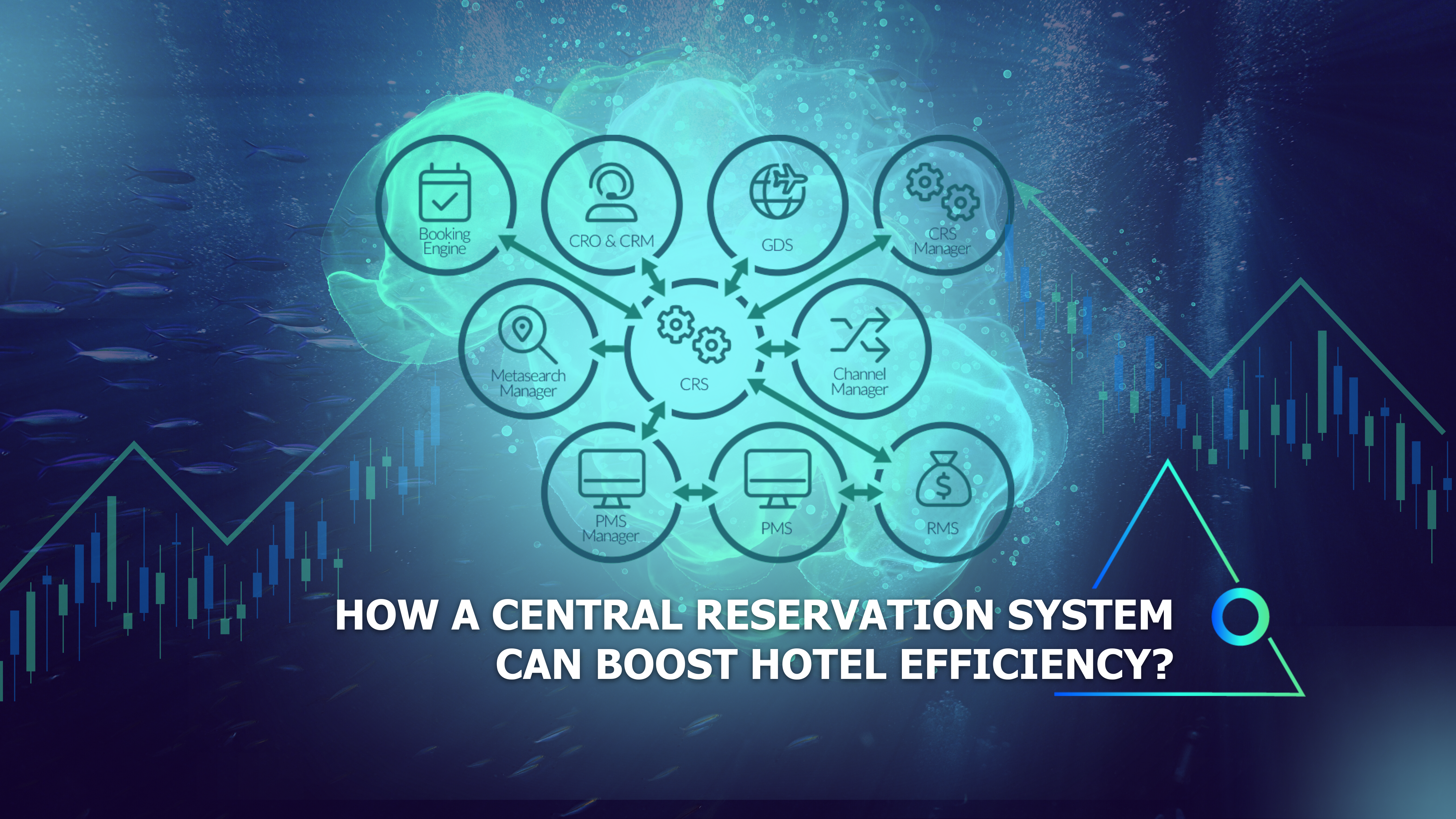
Boost Hotel Efficiency with a Central Reservation System (CRS)

Disruptive Trends & the Future of Hospitality

The Impact of Hotel CRM on Customer Loyalty

Choosing a Revenue Management System for Your Hotel

7 Ways Hospitality Technology Enhances Hotel Operations & Profitability