36
No. of Vendors
37
No. of Products
6
Verified Products
CHECKOUT OUR LATEST ARTICLE

Products (37)

Infor SunSystems
by Infor Hospitality

Vendor verified
Kwentra General Accounts
by Kwentra
Vendor verified
FACTS
by Yiron Technologies Pvt Ltd
Vendor verified
BookingTrust Software
by BookingTrust

Partially verified.png)
Lightyear AP
by Lightyear
Partially verified
SITA e-Invoice System
by SITA Egypt
Partially verifiedAI Powered

Omni-Accounting
by Omniboost

Unverified
Sage Intacct
by Acumen Hospitality Systems
Unverified
BOSS
by Alif
UnverifiedFinancial Accounting for Hotels
Hotel financial management spans multiple revenue streams, cost centers, departments, and ownership structures simultaneously. General-purpose accounting software handles the basics but consistently falls short on the hospitality-specific requirements that make hotel financial management genuinely complex, from managing owner distributions and management fees to consolidating multi-outlet F&B performance and tracking revenue across segmented booking channels.
Financial Accounting platforms for hotels provide dedicated accounting infrastructure designed around the specific financial workflows, reporting formats, and integration requirements of hospitality operations. Modern solutions connect with property management systems, restaurant management software and POS systems, and financial planning and reporting tools to automate the data flows that manual hotel accounting depends on.
What is Financial Accounting software for hotels?
Financial
Accounting software for hotels is a dedicated financial management platform that
handles the accounting workflows specific to hospitality operations including
revenue posting, accounts payable and receivable, payroll integration,
departmental cost management, owner reporting, and period-end financial close
processes.
Core
functions include:
•
General ledger management with hospitality-specific chart of
accounts
•
Accounts payable including supplier invoice processing and
payment runs
•
Accounts receivable and city ledger management
•
Payroll integration and labor cost allocation by department
•
Owner and management company financial reporting
Why does Financial Accounting software matter for hotels?
Hotel
accounting is structurally more complex than most industries. Revenue arrives
through multiple channels and booking sources simultaneously. Costs are
distributed across departments with distinct profitability profiles. Ownership
structures often involve management agreements, franchise fees, and investor
distributions that generic accounting systems handle poorly. Financial
reporting must satisfy multiple stakeholders including hotel management,
ownership groups, brands, and lenders, often in different formats.
•
Hospitality-specific chart of accounts requirements: USALI-compliant
reporting structures and departmental accounting require configurations that
generic accounting software does not provide out of the box
•
Multi-source revenue posting complexity: revenue flowing from
the property management system, restaurant management software and POS, spa,
events, and other outlets must be reconciled and posted accurately
•
Owner and management reporting obligations: hotels operating
under management agreements have specific financial reporting requirements that
purpose-built hotel accounting systems are designed to support
•
Integration with operational systems is essential: financial accounting
that is not connected to the property management system and POS requires manual
data entry that creates errors and delays
What problems does Financial Accounting software help solve?
•
Manual revenue reconciliation across multiple operational
systems:
automated posting from property management systems, POS, and payment platforms
eliminates the manual data entry that introduces errors
•
USALI-non-compliant departmental reporting: generic accounting
systems require significant customization to produce the Uniform System of
Accounts for the Lodging Industry reporting that owners and investors expect
•
City ledger and accounts receivable complexity: managing corporate
account billing, group invoicing, and aged receivables requires
hospitality-specific workflows that general accounting tools handle
inconsistently
•
Slow and error-prone period-end close: hotel financial close
processes involve reconciling data from multiple operational systems that
integrated accounting software automates
•
Insufficient owner reporting capability: ownership groups and
asset managers require specific financial reporting formats that hotel-specific
accounting platforms are built to produce
What capabilities should hotels expect?
•
USALI-compliant chart of accounts and departmental reporting
•
Automated revenue posting from property management systems and
restaurant management software and POS
•
City ledger, accounts receivable, and corporate billing
management
•
Accounts payable with supplier invoice management and payment
runs
•
Owner and management company reporting with configurable
distribution calculations
How does Financial Accounting fit into the hotel technology ecosystem?
•
Property management systems: provide room revenue, occupancy, and
guest billing data that posts automatically into the general ledger
•
Restaurant management software and POS: supply F&B
revenue, cost of sales, and outlet-level transaction data for departmental
accounting
•
Financial planning and reporting: receives actual
financial data from accounting systems for variance analysis, forecasting, and
budget comparison
•
Payroll and HR systems: feed labor cost data into departmental
accounting for accurate cost allocation and profitability reporting
Which hotel types benefit most?
•
Hotels operating under management agreements: require specific
owner reporting, management fee calculations, and distribution waterfall
accounting that hospitality-specific platforms support
•
Full-service hotels with multiple revenue departments: benefit from
integrated departmental accounting that connects rooms, F&B, spa, and
events revenue within a single financial environment
•
Multi-property hotel groups: require consolidated financial
reporting across properties with consistent chart of accounts structure and
intercompany accounting
•
Hotels with complex ownership structures: benefit from
accounting platforms that handle franchise fees, brand assessments, and
investor distribution calculations
What should hotels evaluate before selecting a platform?
•
Property management system integration: automated revenue
posting from the PMS is the most critical integration for hotel accounting
software
•
USALI compliance and reporting flexibility: departmental
reporting structures must align with owner and brand reporting requirements
without extensive customization
•
City ledger and accounts receivable functionality: corporate billing,
group invoicing, and aged receivable management must be fully supported
•
Owner reporting capability: assess whether the platform produces
the financial reporting formats required by the hotel's ownership and
management agreement structure
•
Accounts payable workflow: supplier invoice management, purchase
order matching, and payment run processing must handle hotel-volume transaction
flows
What common mistakes should hotels avoid?
•
Implementing generic accounting software without hospitality
customization: standard accounting systems require significant configuration
to meet hotel reporting requirements and often still fall short on owner
reporting and city ledger management
•
Disconnecting accounting from operational systems: financial accounting
that requires manual data entry from PMS and POS consistently produces errors
and consumes finance team time that integration eliminates
•
Underestimating the city ledger complexity: corporate account
billing and group invoicing require dedicated accounts receivable workflows
that generic accounts receivable modules handle poorly
•
Insufficient owner reporting configuration: hotels that do not
invest in configuring owner reporting correctly during implementation create
ongoing friction with ownership groups
How has Financial Accounting evolved?
Hotel
financial accounting has shifted from standalone back-office accounting systems
into connected financial management platforms. Cloud-based deployment has made
multi-property consolidated accounting accessible to hotel groups of all sizes.
By 2025, the expectation of automated revenue posting from PMS and POS systems,
rather than manual nightly journal entries, had become a baseline requirement
for new hotel accounting platform implementations.
What trends are shaping Financial Accounting for hotels?
•
Real-time financial posting: tighter integration between
operational systems and accounting platforms is reducing the lag between
transaction and ledger posting
•
AI-supported anomaly detection: accounting platforms
are beginning to flag unusual posting patterns, duplicate invoices, and
reconciliation discrepancies automatically
•
ESG and sustainability cost reporting: hotel accounting
systems are incorporating environmental and social cost tracking alongside
traditional financial metrics
•
Unified commercial and financial intelligence: the boundary between
financial accounting and financial planning and reporting is narrowing as
hotels demand integrated performance visibility
What impact can Financial Accounting software deliver?
•
Accurate and timely departmental financial reporting through
automated operational system integration
•
Faster period-end close through automated reconciliation and
reduced manual data entry
•
USALI-compliant reporting that meets owner and brand reporting
obligations
•
Better accounts receivable management through structured city
ledger and corporate billing workflows
What should hotels prioritize when comparing Financial Accounting providers?
Hotels
evaluating Financial Accounting platforms should look beyond general ledger
capability and assess how effectively a solution handles the
hospitality-specific workflows that generic accounting software consistently
struggles to support.
•
PMS and POS integration depth: automated revenue
posting from operational systems is the foundation of accurate hotel financial
management
•
USALI compliance and departmental reporting: reporting structures
must meet owner, brand, and lender requirements without requiring extensive
custom configuration
•
City ledger and accounts receivable: corporate billing and
group invoicing capability must be fully functional and operationally practical
•
Owner reporting quality: assess output formats against the
actual requirements of the hotel's ownership and management agreement structure
News (5)
.png)
Omniboost launches full revenue push for Toast POS and Mews integration

Evolving from Retail to Hospitality

Omniboost Redefines Restaurant Solutions with Tailored Integrations and Data-Driven Approach

Omniboost joins Forces with MCR to Shape the Future of Hotel Management

Stayntouch and Omniboost have partnered up
Blogs (5)

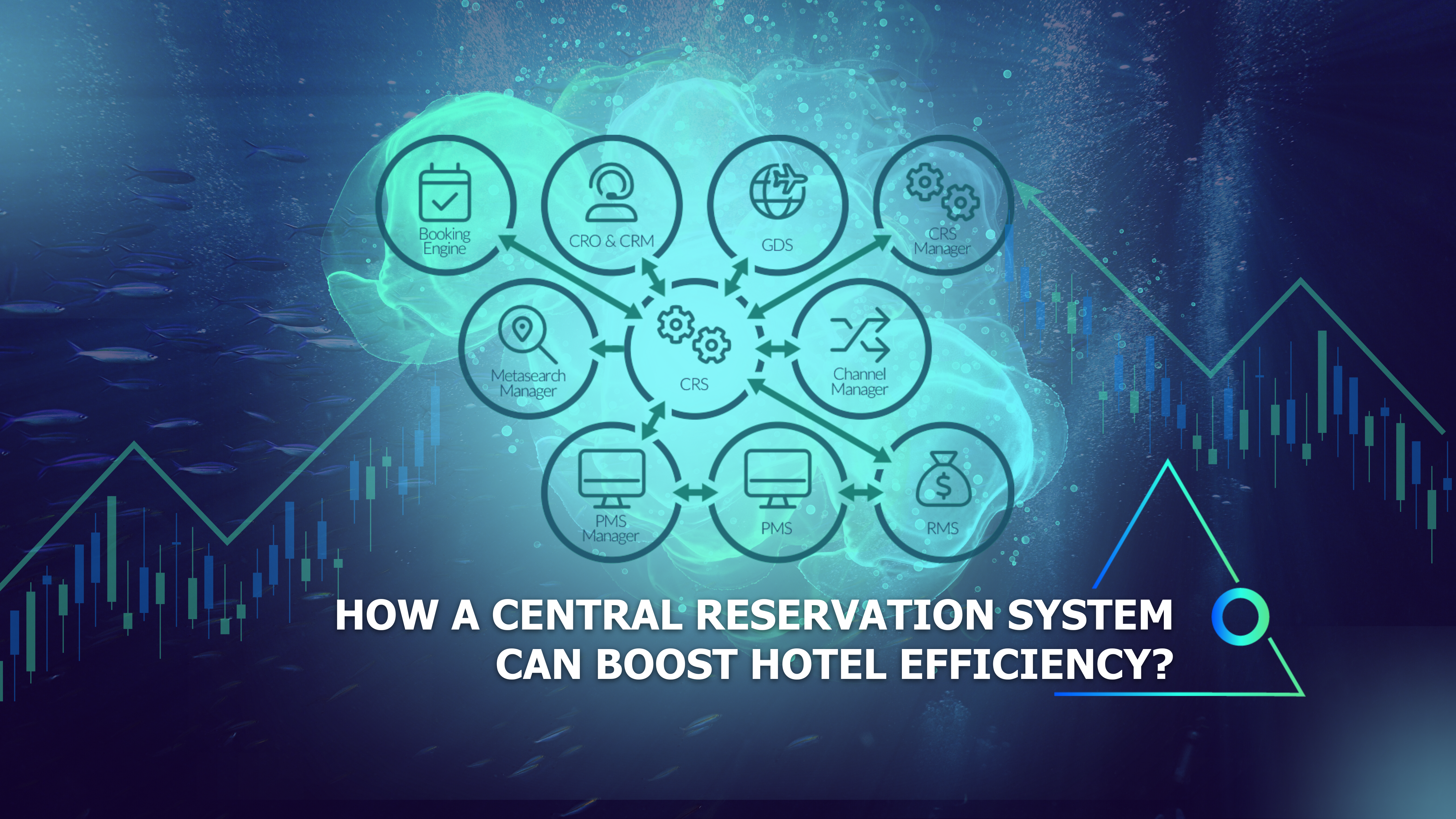
Boost Hotel Efficiency with a Central Reservation System (CRS)

Disruptive Trends & the Future of Hospitality

The Impact of Hotel CRM on Customer Loyalty
Choosing a Revenue Management System for Your Hotel

7 Ways Hospitality Technology Enhances Hotel Operations & Profitability